estilo-vida.com
In this analysis of who Lifestyle Brazil, readers glimpse how Brazilian daily life balances health, leisure, and consumer culture in a rapidly changing market. The phrase frames a broader picture of what wellness means in a society where regional realities intersect with premium products and digital influence.
The Context: Brazil’s Shifting Lifestyle Landscape
Brazil’s lifestyle landscape has shifted beyond the gym and glossy wellness apps. Urban centers like São Paulo and Rio de Janeiro accumulate data about consumer choices while smaller cities preserve tradition. The pandemic’s aftermath and ongoing economic volatility have recalibrated what people consider essential: predictable routines, affordable experiences, and accessible health information. Data on dietary patterns, including increasing interest in plant-based options and traditional Brazilian cuisine modernized with global flavors, reveal a society negotiating modernization with heritage. The media ecosystem, from streaming platforms to influencer channels, reinforces the idea that wellbeing is a composite practice rather than a single product. This context matters because many Brazilians base decisions on a mix of affordability, convenience, and social signaling, rather than a single set of health metrics.
From Wellness to Work-Life: Drivers of Change
Brazilian workers have faced long hours, shifting industry demands, and an evolving concept of time at home. There is a growing emphasis on work-life balance in urban segments, with flexible hours, remote work in tech and services, and a push toward healthier commutes. Families value daytime routines that enable time for meals and kids, while promotions in corporate culture occasionally reward wellness benefits—subsidized gym memberships, mental health days, and preventative care programs. Yet disparities persist: in many regions, access to quality health services, safe parks, and fresh produce is uneven, and transport costs eat into leisure budgets. The result is a layered reality where lifestyle choices are both aspirational and constrained by income, geography, and social networks. This dynamic helps explain why lifestyle discussions in Brazil often blend personal habits with policy calls, corporate responsibility, and community initiatives.
The Market Story: Brands, Media, and Everyday Choices
Brands now speak to a Brazilian audience that wants value but also meaning. The wellness category extends beyond fitness and into nutrition, skincare, and stress management apps. Influencer culture—where creators combine daily routines with product placements—shapes perceived value, but many watchers remain skeptical about hype versus evidence. At the retail level, supermarkets, online marketplaces, and small shops compete on price, convenience, and trust. Local producers increasingly highlight heritage, sustainability, and regional ingredients as differentiators, echoing a broader trend toward authenticity in a crowded market. This market environment can push consumers toward more mindful purchasing—cost, utility, and perceived health benefits—rather than trend-driven impulse buying. For policymakers and marketers, the challenge is aligning public health goals with accessible, culturally resonant messaging and transparent product information.
Risks and Realities: Inequality and Regional Nuances
Despite a growing discourse around wellness, Brazil grapples with structural inequality that shapes who can participate in lifestyle shifts. Urban centers enjoy greater access to fitness spaces, healthy food, and digital platforms, while rural areas and poorer neighborhoods still face food deserts, unsafe infrastructure, and limited healthcare access. Climate, geography, and regional culture create distinct flavors of lifestyle: coastal cities emphasize outdoor activity and seafood-driven diets; inland areas lean toward hearty, traditional meals; favelas and peri-urban zones may have community gyms or informal markets that fill gaps. Social policy, municipal planning, and private-sector investment will determine how these gaps close over the next decade. The risk is not that Brazilians dismiss wellness, but that unequal access translates intent into frustration, misinformed choices, or reliance on uncertain sources. A nuanced understanding of who Lifestyle Brazil encompasses must account for this uneven terrain while highlighting inclusive solutions that work in diverse settings.
Actionable Takeaways
- When evaluating Brazilian lifestyle trends, triangulate data from urban and rural areas, considering income, education, and access to services.
- Track how media and influencers frame wellness claims—seek corroboration from health professionals and independent studies.
- Examine the cost of participation in wellness activities (gym memberships, healthy groceries, preventive care) relative to local incomes and prices.
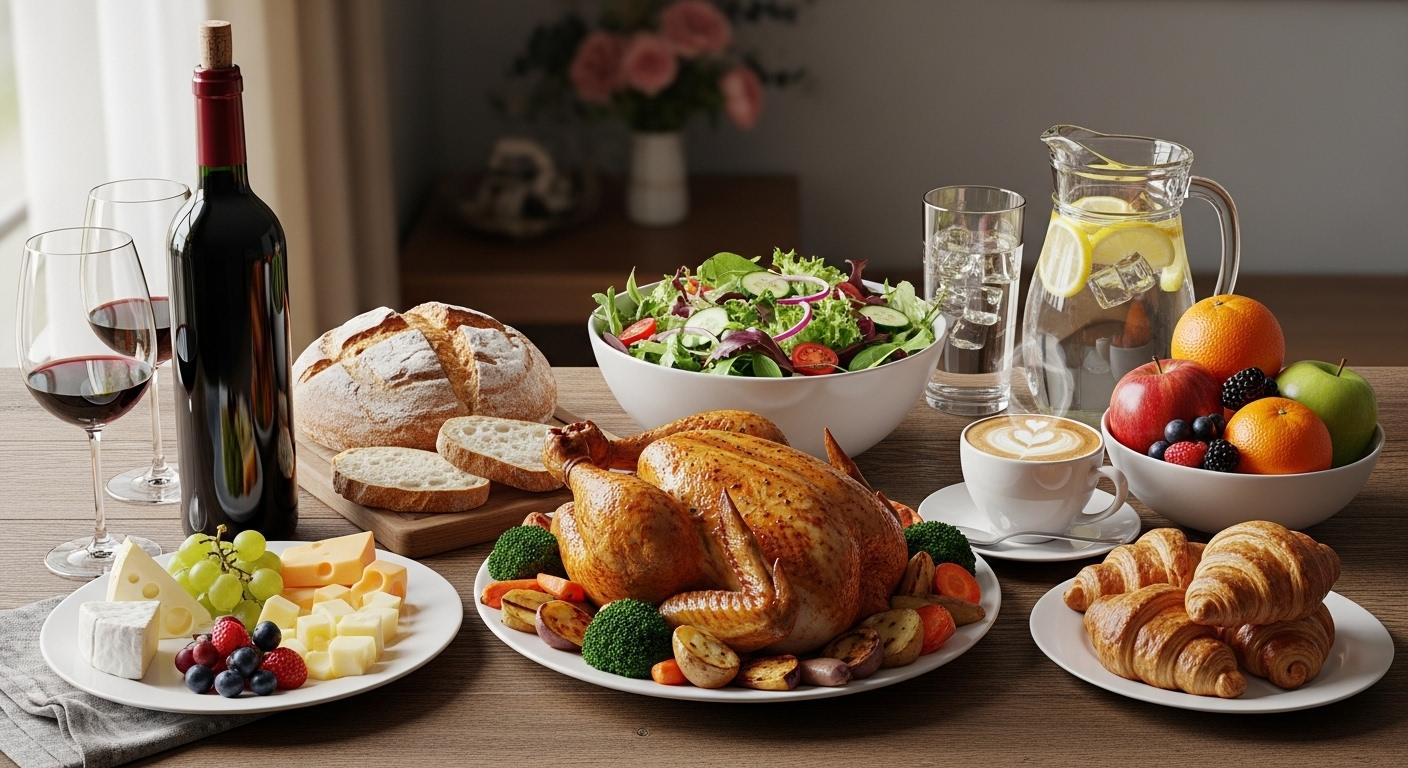
- Observe regional food cultures and how traditional meals adapt with modern ingredients to balance taste, nutrition, and affordability.
- Promote inclusive wellness messaging from brands and policymakers to ensure broad participation across diverse communities.
Source Context
Background sources available for readers who want to explore related conversations and data:
Actionable Takeaways
- Track official updates and trusted local reporting.
- Compare at least two independent sources before sharing claims.
- Review short-term risk, opportunity, and timing before acting.