estilo-vida.com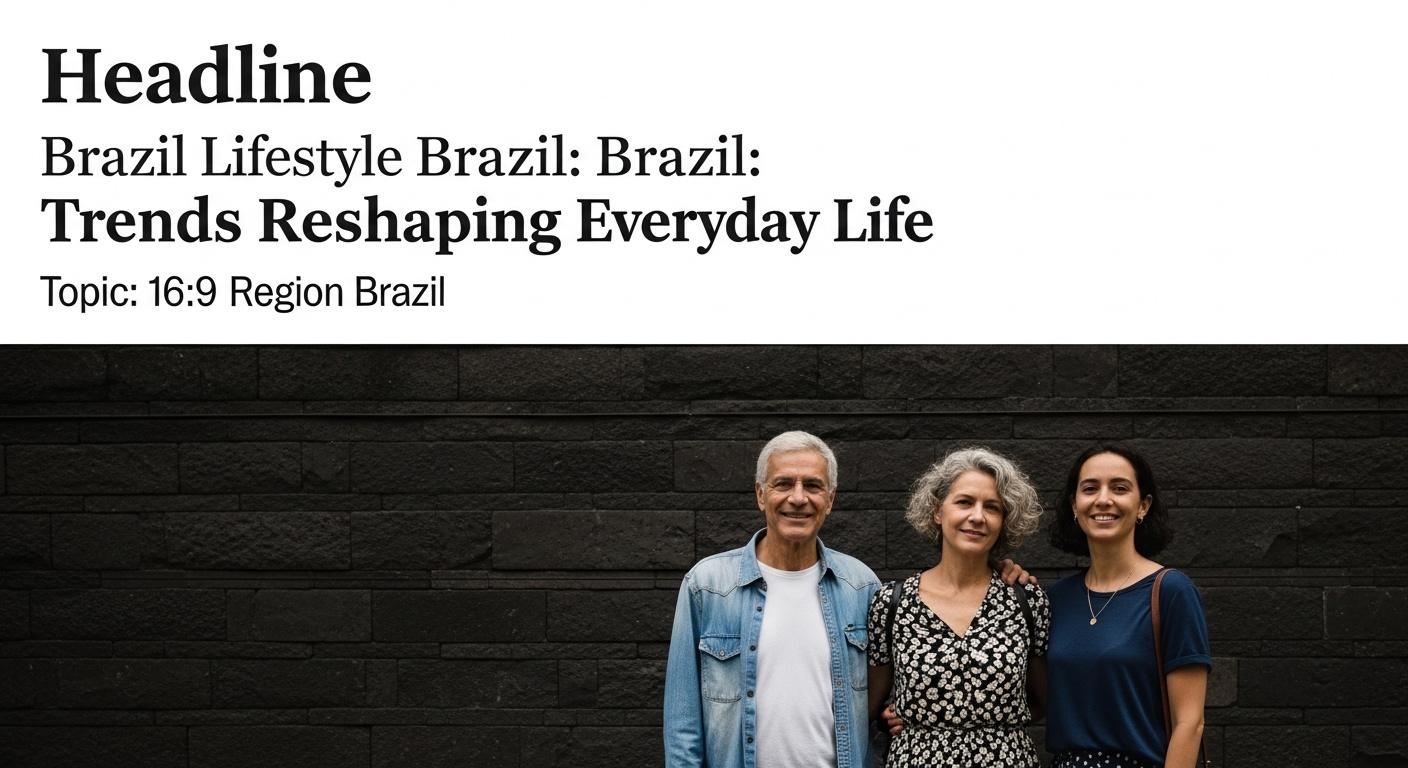
Brazil’s lifestyle landscape is undergoing a quiet recalibration as digital life, consumer values, and urban routines collide. This shift, captured here through a framework I call nearly Lifestyle Brazil, doesn’t rely on flash trends or viral moments alone; it maps sustained changes in how households allocate time, money, and attention. By looking at daily choices—from grocery budgets to streaming habits and porch conversations with neighbors—we can see a nation negotiating tradition and modernity at once. The analysis that follows traces these threads across cities large and small, to ask what a more connected Brazil means for families, brands, and policymakers.
Market Pulse and Everyday Habits
Across Brazilian households, the rhythm of daily life is shaped by slower wage growth, rising living costs, and the ongoing embrace of credit and installment plans. Rather than chasing novelty, many families are prioritizing predictable budgets, impulse control during shopping, and practical investments like durable appliances or energy efficiency. This behavior signals a shift from a consumer impulse economy to one that values resilience—a core feature of nearly Lifestyle Brazil—where weekday routines center on home, work, and care for others. In cities large and small, median time spent on domestic tasks and commuting has become as important as the price tag on a weekend outing. The result is a cautious optimism: people save a little, plan a little, and still seek experiences that help them balance work and life.
Small businesses and gig workers increasingly rely on digital tools to stabilize income, from online storefronts to on-demand services, while communities circulate recommendations for budget-friendly meals, affordable wellness, and local marchés. This ecosystem creates a feedback loop: more offline social networks reinforce online commerce and vice versa, strengthening local economies within a larger national market.
Media Platforms and the Brazilian Consumer Conversation
Brazilian media consumption remains highly platform-driven, with WhatsApp, YouTube, and Instagram shaping how people learn, compare, and buy. The rapid spread of micro-influencers and community creators means trust is earned not by glossy ads but through practical demonstrations of use, repairability, and affordability. Brands that adapt to this environment craft storytelling that answers real life questions: will a product save time, reduce energy use, or simplify family routines? At the same time, media literacy is a growing asset; households increasingly evaluate sponsorships, compare price quotes, and scrutinize claims, preserving a rational core amid a flood of content.
Policy, Urban Life, and the Home
Public services, urban mobility, and housing policy shape what daily life looks like in Brazil. Access to reliable transit, energy prices, and safe, quiet spaces at home affect how families plan meals, work from home, and socialize. E-commerce growth has heightened expectations for delivery reliability and returns policies, pressuring municipal regulators to balance consumer rights with small business viability. The home becomes a command center for scheduling, education, and wellness, prompting households to invest in flexible layouts, energy-efficient devices, and sustainable products that lower long-term costs. In this scenario, policy choices matter because they translate into everyday convenience or friction for millions of Brazilian households.
Future Scenarios for Households and Brands
Looking ahead, three plausible paths emerge. In the baseline scenario, households continue layering convenience with frugality, brands offer value and transparency, and urban infrastructure gradually improves. The optimistic scenario envisions faster digital inclusion, smarter public services, and a vibrant local commerce network that blurs the line between online and offline life. A cautionary scenario warns of persisting price pressures and uneven access to technology that reinforces regional gaps. Across these futures, consumer decisions hinge on two levers: affordability and trust. When people feel confident that a product is durable, backed by reliable information and accessible support, nearly Lifestyle Brazil becomes less a trend and more a lived standard.
Actionable Takeaways
- For households: build a monthly budget with predictable fixed costs, plus a small buffer for essential wellness and education; prioritize purchases that save time and reduce energy use.
- For brands: tell practical, proof-driven stories that demonstrate value, durability, and local relevance; partner with community channels and local influencers who actually serve customers daily.
- For policymakers: invest in reliable public services and affordable housing options that reduce the friction between work and life; support digital inclusion programs in underserved areas.
- For retailers and platforms: provide clear return policies, transparent pricing, and responsive customer support that respects Brazilian consumer norms.
- For households and communities: cultivate neighborhood networks and shared spaces that amplify local resilience, food security, and social connection.
Source Context
The sources reflected here provide contextual background that informs this analysis. See the linked items for more detail.