How Minimalist Living: An Emerging Lifestyle Trend is Redefining Modern Homes In the fast-paced world of today, where consumerism and clutter often prevail, a new lifestyle trend is gaining.
estilo-vida.comBrazil lifestyle news and trend analysis.
“How Minimalist Living: An Emerging Lifestyle Trend is Redefining Modern Homes”
Updated: March 18, 2026
How Minimalist Living: An Emerging Lifestyle Trend is Redefining Modern Homes
In the fast-paced world of today, where consumerism and clutter often prevail, a new lifestyle trend is gaining traction: minimalist living. This approach to life emphasizes simplicity, intentionality, and the removal of excess, and it is reshaping the way people design and inhabit their homes. As more individuals seek to declutter their environments and focus on what truly matters, minimalist living is not just a trend but a transformative way of life. In this article, we will explore how minimalist living is redefining modern homes, delve into its principles, and understand its growing appeal.
The Principles of Minimalist Living
At its core, minimalist living is about stripping away the unnecessary to focus on what is essential. This lifestyle encourages individuals to live with fewer possessions, thereby reducing distractions and stress. Some key principles include:
- Intentionality: Every item in a minimalist home serves a purpose, whether functional or aesthetic. The focus is on quality over quantity.
- Simplicity: Minimalism favors clean lines and uncluttered spaces, promoting a sense of calm and order.
- Sustainability: By consuming less, minimalists often contribute to a more sustainable environment.
These principles not only simplify living spaces but also foster a mindset of mindfulness and gratitude.
The Appeal of Minimalist Homes
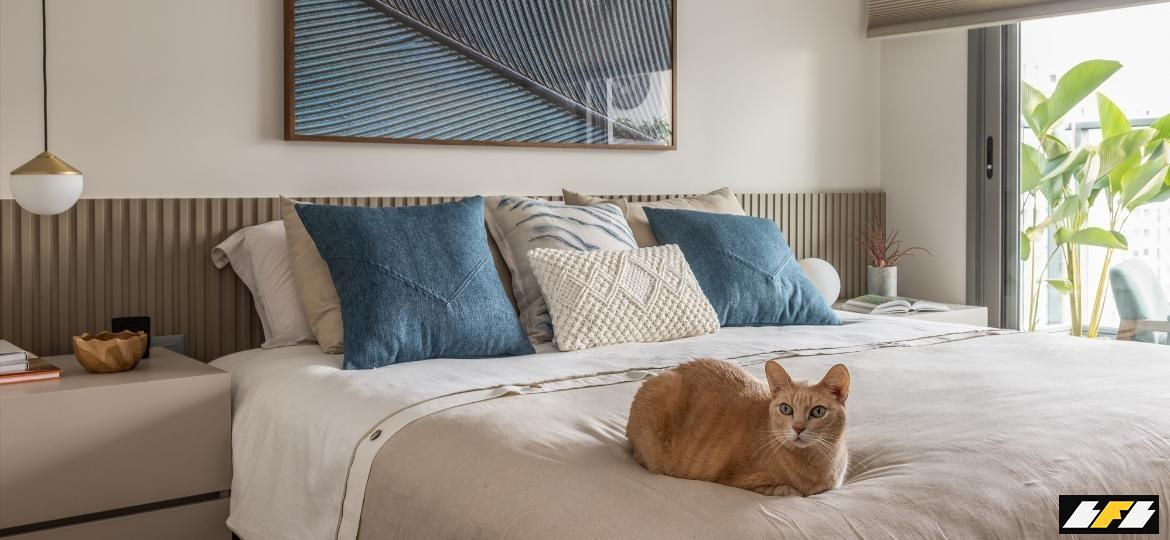
Minimalist homes are increasingly popular due to their aesthetic appeal and practicality. These homes often feature open floor plans, neutral color palettes, and multifunctional furniture. The appeal lies in their ability to create serene environments that promote relaxation and focus.

Modern homeowners are drawn to minimalism for several reasons:
- Reduced Stress: Cluttered environments can overwhelm the senses and increase stress levels. Minimalist homes provide a peaceful retreat from the chaos of everyday life.
- Increased Functionality: With fewer possessions, each item has a specific function, resulting in more efficient living spaces.
- Enhanced Aesthetics: The simplicity of minimalist design creates a timeless and elegant look that appeals to many.
Minimalism in Interior Design
Interior designers are embracing minimalist principles to create spaces that are both beautiful and functional. Key elements of minimalist interior design include:
- Neutral Colors: Whites, grays, and earthy tones dominate, providing a sense of calm and balance.
- Open Spaces: Open floor plans allow for fluid movement and greater interaction between different areas of the home.
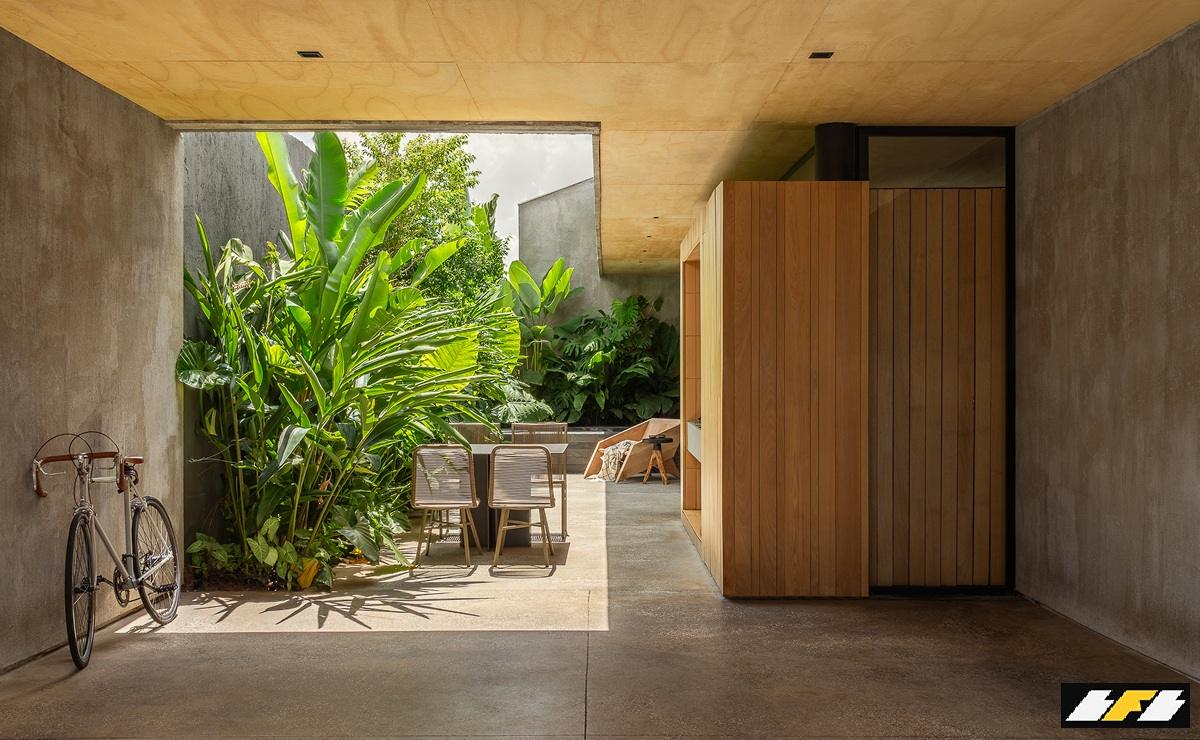
- Natural Materials: Wood, stone, and other natural materials add warmth and texture without detracting from the simplicity of the design.
These design elements work together to create a harmonious environment that supports the minimalist lifestyle.
The Impact of Minimalism on Lifestyle and Wellbeing
Adopting a minimalist lifestyle can have profound effects on one’s wellbeing. By focusing on essential items and eliminating distractions, individuals often experience improved mental clarity and reduced anxiety. Furthermore, minimalism encourages mindful consumption, which can lead to financial savings and a greater appreciation for the things one owns.

Research suggests that minimalist living can foster a greater sense of contentment and happiness. By removing the clutter and noise of modern life, people find more time to engage in meaningful activities and build deeper connections with others.
Challenges and Misconceptions of Minimalist Living
Despite its benefits, minimalist living is not without its challenges. Some common misconceptions include:
- Minimalism Equals Deprivation: Minimalism is not about denying oneself but rather about making intentional choices that enhance one’s life.
- Minimalism is Only for the Wealthy: While some may invest in high-quality items, minimalism is about reducing consumption, which can be accessible to all income levels.
- Minimalism is a One-Size-Fits-All Approach: Each individual can tailor minimalism to their own needs and preferences.
Understanding these misconceptions helps individuals approach minimalism with an open mind and adapt it to their unique circumstances.
Steps to Embrace Minimalist Living
For those interested in adopting a minimalist lifestyle, here are some practical steps to get started:
- Declutter: Begin by sorting through your possessions and eliminating items that no longer serve a purpose or bring joy.
- Organize: Create systems for keeping your space tidy and efficient, such as using storage solutions that maximize space.
- Mindful Shopping: Before making a purchase, consider its necessity and long-term value.
- Focus on Experiences: Prioritize experiences and relationships over material possessions.
These steps can help individuals gradually transition to a minimalist lifestyle that enhances their quality of life.
Minimalism and the Future of Home Design

As minimalist living continues to gain popularity, it is influencing the future of home design. Architects and designers are increasingly incorporating minimalist principles into their projects, creating homes that are not only aesthetically pleasing but also sustainable and functional.
The trend towards smaller homes and tiny houses reflects a shift in priorities, where space efficiency and sustainability are valued over sheer size. This movement aligns with global efforts to reduce carbon footprints and live more sustainably.
Conclusion: The Enduring Appeal of Minimalist Living
Minimalist living is more than just a passing trend; it is a lifestyle choice that offers numerous benefits, from improved mental health to greater financial freedom. By focusing on what truly matters, individuals can create homes that nurture their wellbeing and reflect their values.
As we continue to navigate a world filled with distractions and excess, the appeal of minimalist living is likely to endure. Whether through adopting minimalist design principles or embracing a more intentional way of life, individuals can find greater peace and fulfillment in simplicity.
For those seeking to learn more about minimalist living, resources such as the Minimalists and Be More with Less offer valuable insights and guidance. By exploring these resources, individuals can begin their journey towards a simpler, more purposeful way of life.
Embracing Minimalism: Personal Stories and Anecdotes
While the benefits of minimalist living are well-documented, personal stories and anecdotes offer unique insights into how this lifestyle can transform lives. Many people who have embraced minimalism share common themes of liberation and fulfillment:

Consider the story of Jane, a former corporate executive who transitioned to a minimalist lifestyle after feeling overwhelmed by her possessions and responsibilities. By reducing her belongings and downsizing her home, Jane found more time to pursue her passions and build meaningful relationships. Her story highlights how minimalism can lead to increased happiness and a sense of freedom.
Another example is Mark and Lisa, a young couple who decided to live in a tiny house to simplify their lives and reduce their environmental impact. Their minimalist journey not only allowed them to save money but also to travel more frequently and live more sustainably.
Minimalism and Technology
In today’s digital age, minimalism extends beyond physical possessions to include digital clutter. Many people find themselves overwhelmed by emails, social media notifications, and digital files, leading to a new focus on digital minimalism:
- Declutter Your Devices: Regularly clean up apps, files, and emails to maintain a streamlined digital environment.
- Mindful Technology Use: Set boundaries for technology use, such as designated tech-free times or spaces, to foster focus and creativity.
- Embrace Useful Tools: Utilize apps and tools that enhance productivity and organization, while eliminating those that do not add value.
By applying minimalist principles to technology, individuals can regain control over their digital lives and reduce the stress associated with constant connectivity.
The Role of Minimalism in Environmental Impact

Minimalism has broader implications for the environment, as it encourages sustainable living practices. By consuming less and making intentional choices, minimalists often contribute to reducing their carbon footprint and conserving natural resources. Key environmental benefits of minimalism include:
- Less Waste: Minimalists typically produce less waste by avoiding unnecessary purchases and opting for reusable or sustainable products.
- Energy Efficiency: Smaller living spaces and efficient use of resources lead to lower energy consumption, benefiting both the environment and personal finances.
- Support for Ethical Brands: Many minimalists choose to support brands that prioritize ethical and sustainable practices, further promoting positive environmental change.
These practices align with the growing global movement towards sustainability and environmental responsibility, showcasing how minimalism can be a powerful tool for positive change.
Conclusion: The Transformative Power of Minimalism
As this article has explored, minimalist living is a multifaceted lifestyle trend that offers numerous benefits, from enhancing personal wellbeing to promoting sustainability. By focusing on what truly matters and eliminating excess, individuals can create more fulfilling, purpose-driven lives.
Whether you are just beginning your minimalist journey or are already a dedicated practitioner, the principles of minimalism can be adapted to suit your needs and circumstances. By embracing this lifestyle, you can enjoy the profound rewards of simplicity, intentionality, and mindful living.
For further reading and inspiration, consider exploring resources such as Zen Habits and other minimalist communities that offer support and guidance. As you embark on your minimalist journey, remember that the path to simplicity is a personal one, and the benefits of this lifestyle are well within reach for those willing to embrace change.
Read More