estilo-vida.com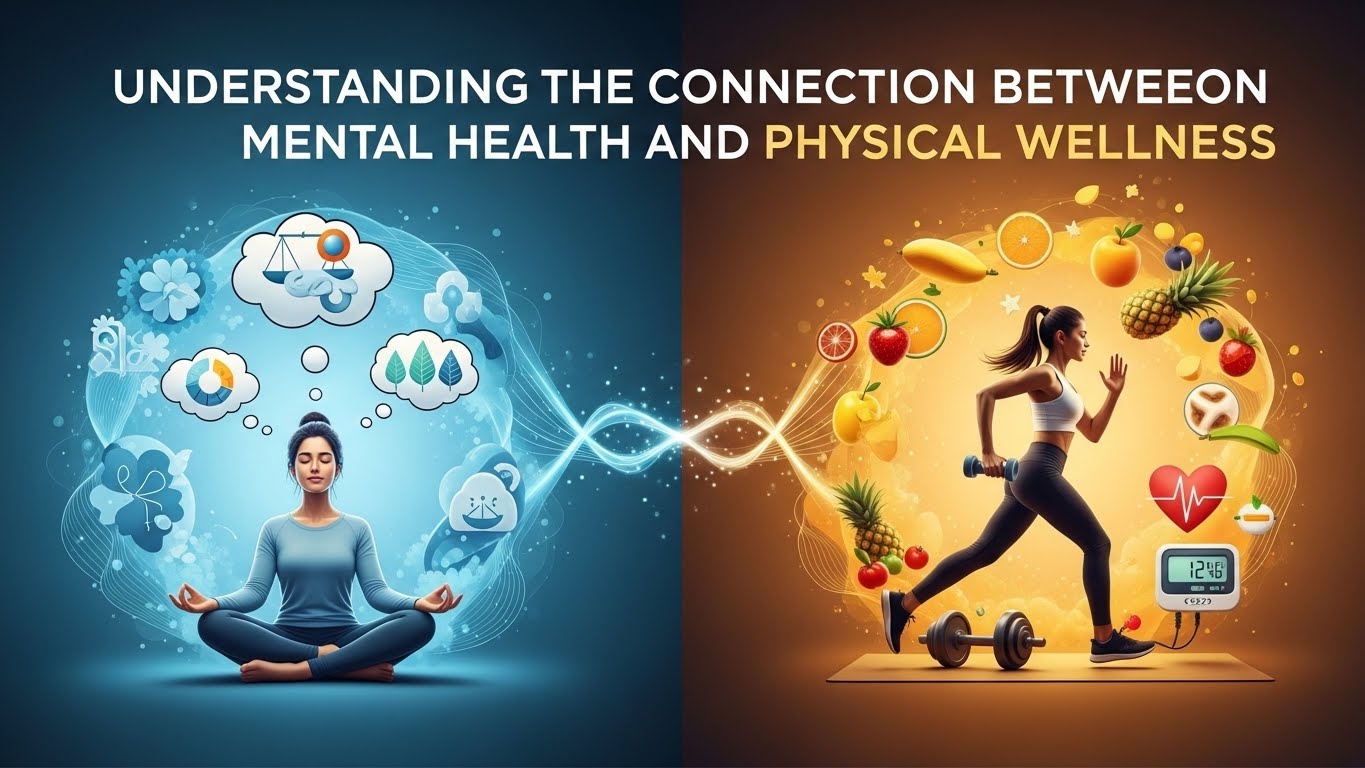
Understanding the Connection Between Mental Health and Physical Wellness
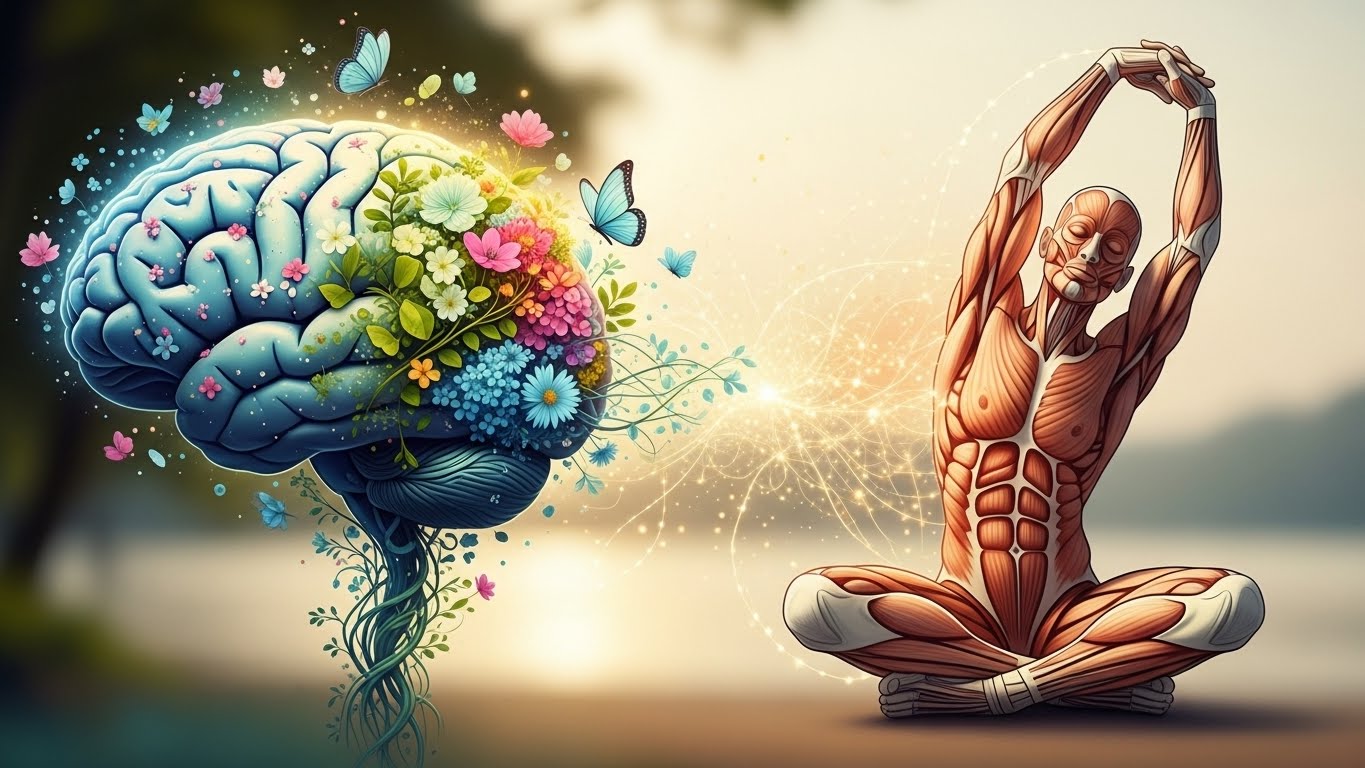
In recent years, the relationship between mental health and physical wellness has garnered significant attention in the health and wellness community. While traditionally treated as separate disciplines, growing evidence suggests that mental and physical health are deeply interconnected, influencing one another in myriad ways. Understanding this connection is crucial for developing holistic approaches to health that promote overall well-being.
The Interplay Between Mind and Body
The mind-body connection is not a new concept. Ancient healing practices, such as Ayurveda and Traditional Chinese Medicine, have long recognized the symbiotic relationship between mental states and physical health. Today, modern science is catching up, providing empirical evidence that supports these age-old beliefs.
One of the most direct ways that mental health impacts physical wellness is through stress. Chronic stress can lead to a host of physical health problems, including heart disease, obesity, and diabetes. Stress releases cortisol, a hormone that, when elevated, can disrupt almost every system in the body. Understanding how stress affects the body can provide insight into the importance of managing stress for overall health.
Impact of Mental Health on Physical Health
Mental health disorders, such as depression and anxiety, can significantly affect physical health. For instance, depression has been linked to an increased risk of heart disease and stroke. Depressed individuals may also experience changes in appetite, fatigue, and sleep disturbances, all of which can contribute to physical health problems.

Anxiety disorders can manifest physically through symptoms like rapid heartbeat, sweating, and dizziness, which are often mistaken for heart conditions. These physical symptoms can exacerbate anxiety, creating a vicious cycle that can be difficult to break.
Physical Health Influencing Mental Well-being
Conversely, physical health issues can have a profound impact on mental health. Chronic illnesses, such as cancer, diabetes, and chronic pain conditions, can lead to depression and anxiety. The burden of managing a long-term physical condition can be overwhelming and lead to feelings of helplessness and despair.
Moreover, lifestyle factors that affect physical health, like poor diet and lack of exercise, also play a significant role in mental health. A diet high in processed foods and low in essential nutrients can contribute to mood disorders. Regular physical activity, on the other hand, is a proven way to improve both mental and physical health, reducing symptoms of depression and anxiety and improving overall mood.
Holistic Approaches to Health
Given the intricate link between mental and physical health, it is essential to adopt a holistic approach to well-being. This means considering both mental and physical health in tandem and understanding that improvements in one can lead to benefits in the other.
For instance, mindfulness practices such as meditation and yoga have been shown to reduce stress and improve mental health while also providing physical benefits like increased flexibility and muscle strength. These practices encourage a mind-body connection that fosters overall wellness.
The Role of Healthcare Providers
Healthcare providers play a crucial role in recognizing and addressing the connection between mental health and physical wellness. An integrated care approach, where mental health services are combined with primary care, can lead to better health outcomes. Providers should be trained to screen for mental health issues during physical health consultations and vice versa.
Additionally, promoting physical fitness as part of mental health treatment can empower patients to take charge of their health. Encouraging patients to engage in regular physical activity and healthy eating can improve both mental and physical health, creating a positive feedback loop.
Practical Strategies for Enhancing Well-being
Individuals can take several proactive steps to enhance their mental and physical well-being. Establishing a regular exercise routine, even if it is just a daily walk, can have profound effects on mood and physical health. Incorporating a balanced diet rich in fruits, vegetables, lean proteins, and whole grains can support both mental and physical health.
Additionally, engaging in activities that promote relaxation and stress relief, such as mindfulness meditation, deep breathing exercises, or creative hobbies, can help manage stress and improve mental health.
Takeaways
The connection between mental health and physical wellness is undeniable and complex. As awareness of this relationship grows, both individuals and healthcare providers are better equipped to address health in a comprehensive manner. By recognizing the intertwined nature of the mind and body, we can develop strategies that promote overall well-being, leading to healthier and more fulfilling lives.
Understanding and nurturing the connection between mental and physical health is a critical step in achieving optimal health and wellness. By adopting a holistic approach and recognizing the impact of one on the other, we can pave the way for a healthier, more balanced future.
The Role of Community and Support Systems
The importance of community and support systems cannot be overstated when it comes to maintaining mental and physical health. Social connections provide a buffer against stress and can improve both mental and physical well-being. Studies have shown that individuals with strong social ties have a lower risk of mental health issues and chronic diseases, highlighting the importance of fostering relationships and community support.
Participating in group activities, whether they are exercise classes, group therapy, or community clubs, can promote both mental and physical health. These activities provide opportunities for social interaction, physical activity, and mental engagement, all of which contribute to overall wellness.
Technology and Its Impact on Health
In the digital age, technology plays a significant role in how we manage our health. While technology can be a source of stress, with constant connectivity leading to burnout, it also offers tools that can improve both mental and physical health. Health apps that track physical activity, diet, and sleep patterns can encourage healthier lifestyle choices.
Additionally, mental health apps and online therapy services can provide accessible support for those struggling with mental health issues. These digital resources offer a convenient way to access help and can be especially beneficial for those who may face barriers to traditional mental health services.
Future Directions in Health and Wellness
As our understanding of the connection between mental health and physical wellness continues to evolve, so too does the approach to treatment and prevention. Future directions in health and wellness will likely focus on personalized approaches that consider an individual’s unique mental and physical health profile.
Advancements in technology, including wearable health devices and genetic testing, will enable more personalized health interventions. These tools can provide real-time data that helps individuals and healthcare providers tailor health strategies to meet specific needs, enhancing the effectiveness of health interventions.
Policy Implications and the Need for Holistic Health Programs
Recognizing the connection between mental and physical health has significant implications for health policy. There is a growing need for policies that support integrated care models, where mental and physical health services are seamlessly combined. Such models can improve health outcomes and reduce healthcare costs by addressing the root causes of health issues holistically.
Governments and health organizations should prioritize the development of programs that promote mental and physical wellness, focusing on prevention and early intervention. Education campaigns that raise awareness about the mind-body connection can empower individuals to take proactive steps toward their health, ultimately reducing the burden of chronic diseases and mental health disorders.
Empowering Individuals Through Education
Education plays a vital role in empowering individuals to take control of their health. By educating people about the connection between mental and physical wellness, we can encourage healthier lifestyle choices and reduce the stigma surrounding mental health issues. Workshops, seminars, and community outreach programs can provide valuable information about the importance of mental and physical health integration.
Furthermore, schools and workplaces can play a crucial role in promoting health education. Integrating wellness programs into educational curriculums and workplace policies can foster environments that support mental and physical well-being, creating a culture of health that benefits everyone involved.
Takeaways
The intricate relationship between mental health and physical wellness underscores the need for a comprehensive approach to health. By understanding and addressing the connection between the mind and body, we can develop strategies that promote holistic well-being. As individuals, communities, and healthcare systems continue to recognize and embrace this connection, we can look forward to a future where mental and physical health are treated as two sides of the same coin, leading to healthier, more fulfilling lives for all.
Ultimately, embracing a holistic approach to health that acknowledges the powerful interplay between mental and physical wellness will enable us to create a more balanced and healthier society. By prioritizing mental and physical health equally, we can improve quality of life, enhance productivity, and reduce the prevalence of chronic illnesses, paving the way for a brighter future for generations to come.