estilo-vida.com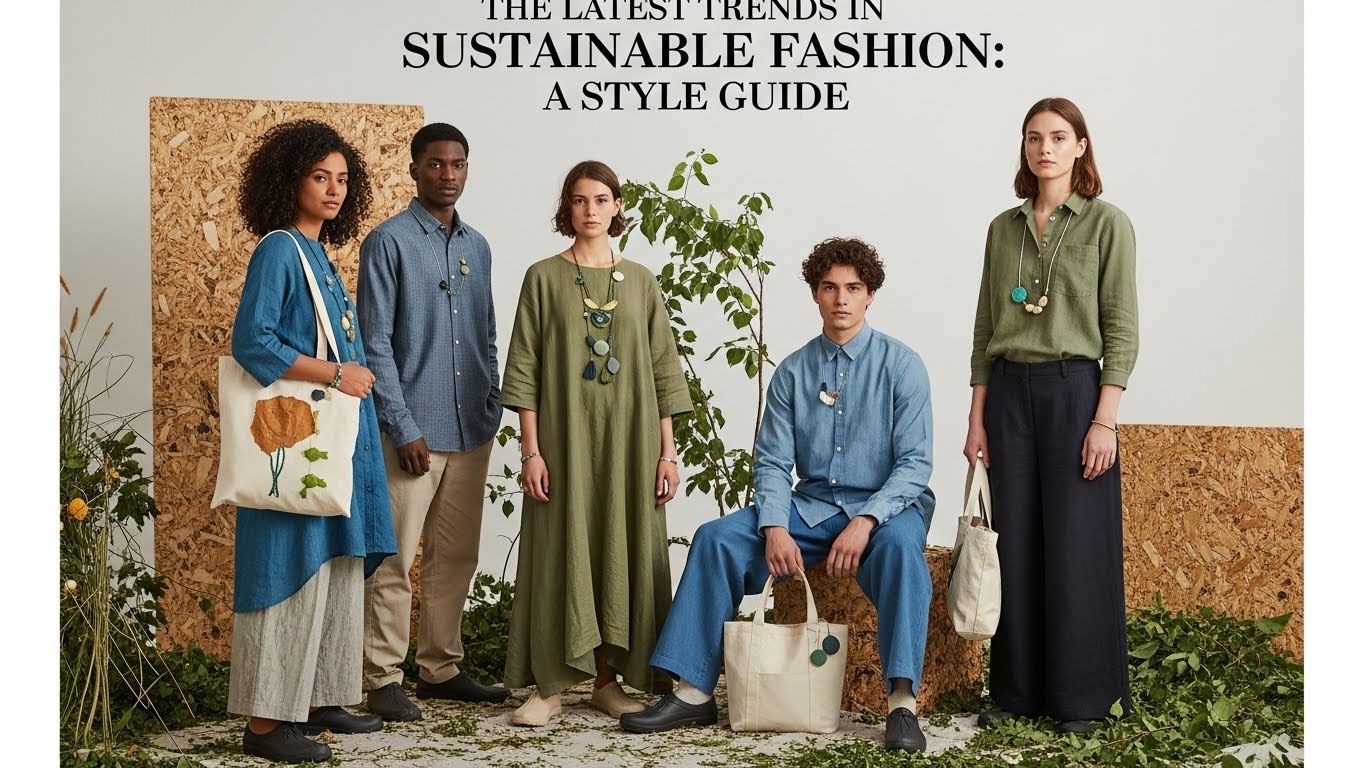
The Latest Trends in Sustainable Fashion: A Style Guide
In recent years, the fashion industry has experienced a paradigm shift towards sustainability. As environmental concerns become more urgent, consumers are increasingly seeking eco-friendly alternatives to traditional fashion. This guide explores the latest trends in sustainable fashion, providing insights into how you can embrace this movement without sacrificing style.
Introduction to Sustainable Fashion
Sustainable fashion encompasses a range of practices aimed at reducing the environmental impact of clothing production and consumption. This includes everything from using eco-friendly materials to ensuring fair labor practices. As the industry evolves, several emerging trends are shaping the future of sustainable style.
1. The Rise of Eco-Friendly Fabrics
One of the most significant trends in sustainable fashion is the use of eco-friendly fabrics. Designers are increasingly turning to materials like organic cotton, Tencel, and hemp, which require fewer resources and chemicals to produce. These fabrics not only minimize environmental impact but also offer a comfortable and stylish alternative to conventional textiles.
Recycled materials are also gaining popularity. Brands are creating garments from recycled polyester and nylon, reducing waste and conserving resources. These innovative materials often come from post-consumer plastics and discarded textiles, providing a second life for otherwise landfill-bound items.
2. Circular Fashion: Closing the Loop
Circular fashion is another trend gaining traction in the sustainable fashion movement. This approach involves designing products with their entire lifecycle in mind, from production to disposal. The goal is to create a closed-loop system where clothing is reused, repaired, and recycled rather than discarded.
Several brands are adopting circular fashion practices by offering take-back programs and repair services. For instance, Patagonia’s Worn Wear program allows customers to return used items for repair or recycling. This not only extends the life of clothing but also fosters a culture of sustainability and responsibility among consumers.
3. Ethical Production and Fair Trade Practices

Ensuring ethical production is a critical aspect of sustainable fashion. Consumers are becoming more aware of the labor conditions behind their clothing, leading to a demand for transparency and fair trade practices. Brands committed to ethical production often seek certifications like Fair Trade or B Corp to validate their commitment to responsible labor practices.
These certifications ensure that workers receive fair wages and work in safe conditions, contributing to a more equitable fashion industry. By choosing brands that prioritize ethical production, consumers can support a system that values people and the planet.
4. The Slow Fashion Movement
The slow fashion movement encourages consumers to buy less, choose well, and make their clothing last. This trend is a response to the fast fashion model, which often prioritizes cheap, disposable clothing. Slow fashion advocates for quality over quantity, promoting timeless styles and durable materials.
Investing in a curated wardrobe of well-made pieces not only reduces environmental impact but also enhances personal style. By focusing on versatile garments, consumers can create a range of outfits without the need for excessive purchasing.
5. Digital Fashion and Virtual Wardrobes
As technology advances, digital fashion is emerging as a unique trend in sustainable fashion. Virtual clothing allows consumers to experiment with styles without the physical and environmental costs of traditional fashion. Brands like DressX are leading the way by offering digital garments that can be “worn” in photos and social media.
This innovation reduces the demand for physical clothing, minimizing waste and resource consumption. While digital fashion is still in its infancy, it presents an exciting opportunity for sustainable style in the digital age.
6. Upcycling and DIY Fashion
Upcycling involves transforming old or discarded materials into new, stylish items. This trend encourages creativity and sustainability by giving new life to clothing that might otherwise be thrown away. DIY fashion enthusiasts often turn to thrift stores or their own closets to find pieces that can be redesigned or repurposed.
Upcycling not only reduces waste but also allows for unique, personalized fashion statements. By embracing DIY fashion, consumers can express their individuality while contributing to a more sustainable fashion ecosystem.
Conclusion: Embracing a Sustainable Fashion Future
The latest trends in sustainable fashion reflect a growing awareness of the need for responsible consumption and production. By choosing eco-friendly brands and practices, consumers can play a pivotal role in transforming the fashion industry into a force for good.
As more brands adopt sustainable practices, the possibilities for stylish, responsible fashion continue to expand. Whether it’s through embracing eco-friendly fabrics, supporting ethical production, or exploring digital fashion, there are countless ways to make a positive impact. By staying informed and making conscious choices, we can all contribute to a more sustainable and stylish future.
For those interested in further exploring sustainable fashion, numerous resources and communities are available to guide and inspire. As we collectively move towards a more sustainable future, our choices can pave the way for a vibrant, eco-conscious fashion industry.
7. The Role of Technology in Sustainable Fashion
Technology is playing a crucial role in advancing sustainable fashion by introducing innovative solutions across the supply chain. From blockchain technology for transparent sourcing to AI-driven design processes, tech is enabling brands to reduce their environmental footprint and improve efficiency.
Blockchain, for instance, ensures transparency by providing an immutable record of a garment’s journey from raw material to finished product. This transparency helps consumers make informed choices and holds brands accountable for their practices. Additionally, AI and data analytics are optimizing resource use by predicting trends and reducing overproduction, which is a significant issue in the fashion industry.
8. Consumer Education and Advocacy
As consumers become more environmentally conscious, education and advocacy around sustainable fashion are gaining momentum. Organizations and influencers are using platforms to educate the public on the impacts of fast fashion and the benefits of sustainable alternatives. By spreading awareness, they empower consumers to make informed decisions and advocate for change.
Workshops, online courses, and social media campaigns are valuable tools for educating consumers. These initiatives often provide practical advice on building a sustainable wardrobe, caring for garments, and understanding the environmental impact of different fabrics and production methods.
9. Policy and Regulation
Policy and regulation are essential components in driving the sustainable fashion agenda. Governments and international bodies are increasingly recognizing the need to implement regulations that promote sustainability in the fashion sector. This includes enforcing stricter environmental standards, incentivizing sustainable practices, and penalizing harmful activities.
For example, the European Union has been at the forefront of environmental policy, proposing measures to ensure that all textiles in the EU market are durable, recyclable, and free of hazardous substances by 2030. Such policies not only encourage brands to adopt sustainable practices but also level the playing field, enabling ethical brands to compete more effectively.
10. The Future of Sustainable Fashion
The future of sustainable fashion looks promising, with continued advancements in technology, materials, and consumer awareness. As the industry evolves, collaboration between brands, consumers, and policymakers will be crucial to drive meaningful change.
One exciting area of development is the potential for biofabrication, where clothing materials are grown rather than manufactured. This process can significantly reduce the carbon footprint and resource demands of traditional textile production. Additionally, the growing second-hand market and rental services provide sustainable alternatives to buying new, contributing to a circular economy.
Ultimately, the sustainable fashion movement is about more than just clothing; it’s about transforming the way we think about consumption and our relationship with the planet. By continuing to innovate and advocate for positive change, we can look forward to a future where fashion is as sustainable as it is stylish.
Conclusion: Taking Action for a Greener Wardrobe
Embracing sustainable fashion is an ongoing journey that requires conscious effort and commitment. By staying informed and making deliberate choices, we can all contribute to a more sustainable world. Whether it’s through supporting ethical brands, reducing consumption, or advocating for systemic change, every action counts.
As the latest trends demonstrate, sustainable fashion is not a passing fad but a necessary evolution of the industry. By aligning our values with our wardrobe choices, we not only enhance our personal style but also support a healthier planet. Together, we can drive the change needed for a more sustainable and ethical fashion industry.
Let us continue to explore, innovate, and inspire each other towards a future where fashion respects both people and the planet. Join the movement for sustainable fashion today, and be part of the change we wish to see in the world.
11. Community and Collaboration
Community and collaboration are foundational elements in the sustainable fashion movement. As more individuals and organizations come together with shared goals, the impact of collective action becomes increasingly powerful. Fashion weeks and events dedicated to sustainability, such as the Fashion Revolution, provide platforms for discussion, innovation, and collaboration. These gatherings highlight sustainable practices, showcase eco-friendly collections, and foster partnerships that drive systemic change.
Online communities are also instrumental in spreading the message of sustainable fashion. Social media platforms and forums allow individuals to share tips, experiences, and resources, creating a supportive network for those looking to adopt more sustainable practices. This sense of community not only encourages individual action but also amplifies the movement’s reach and influence.
12. The Role of Influencers and Celebrities
Influencers and celebrities wield significant power in shaping public perception and behavior, making them valuable allies in promoting sustainable fashion. By leveraging their platforms, they can raise awareness about the importance of sustainability and highlight brands that align with these values.
Many celebrities have embraced sustainable fashion by wearing eco-friendly brands on the red carpet or launching their own sustainable lines. For instance, Emma Watson is well-known for her commitment to sustainability, often showcasing ethical brands at high-profile events. These actions not only inspire fans but also encourage the wider industry to adopt more sustainable practices.
13. Overcoming Challenges in Sustainable Fashion
While there is significant momentum behind sustainable fashion, the industry still faces several challenges. One of the primary hurdles is the higher cost associated with sustainable production methods, which can be a barrier for both brands and consumers. However, as technology advances and sustainable practices become more mainstream, these costs are expected to decrease.
Another challenge is the need for greater transparency and accountability. While many brands are making strides in sustainability, greenwashing remains an issue, with some companies making misleading claims about their environmental impact. Consumers must remain vigilant and seek out verified information to ensure they are supporting genuinely sustainable brands.
14. Practical Tips for a Sustainable Wardrobe
Transitioning to a sustainable wardrobe doesn’t have to be overwhelming. Here are a few practical tips to help you get started:
- Invest in Quality: Choose well-made pieces that will last longer, reducing the need for frequent replacements.
- Embrace Second-Hand: Thrift stores and online platforms offer a treasure trove of unique, pre-loved items.
- Care for Your Clothes: Proper care extends the life of your garments. Follow washing instructions, repair when needed, and avoid unnecessary washing.
- Support Sustainable Brands: Look for brands that prioritize eco-friendly materials and ethical production practices. Certifications can guide your choices.
- Minimalist Approach: Create a capsule wardrobe with versatile pieces that can be mixed and matched, reducing the need for excess clothing.
Conclusion: A Collective Path Forward
The journey towards sustainable fashion is ongoing and requires the collective effort of designers, brands, consumers, and policymakers. As awareness grows and innovative solutions emerge, the possibilities for a sustainable fashion industry become more tangible. By making informed choices, advocating for transparency, and supporting initiatives that promote sustainability, we can all contribute to a fashion revolution that respects both people and the planet.
Let us continue to champion sustainable practices and inspire others to join the movement. Together, we can reshape the future of fashion, ensuring that style and sustainability go hand in hand. The time for action is now, and the impact of our choices today will shape the world for generations to come.