estilo-vida.com
Health and Fitness: Unpacking the Latest Lifestyle Trends in Nutrition and Exercise
In today’s fast-paced world, maintaining a healthy lifestyle has become a priority for many. With the increasing awareness of the benefits of good nutrition and regular exercise, people are more inclined to adopt lifestyle changes that promote health and well-being. This post explores the latest trends in nutrition and exercise, offering insights into how these trends are shaping the way we live.
The Rise of Plant-Based Diets
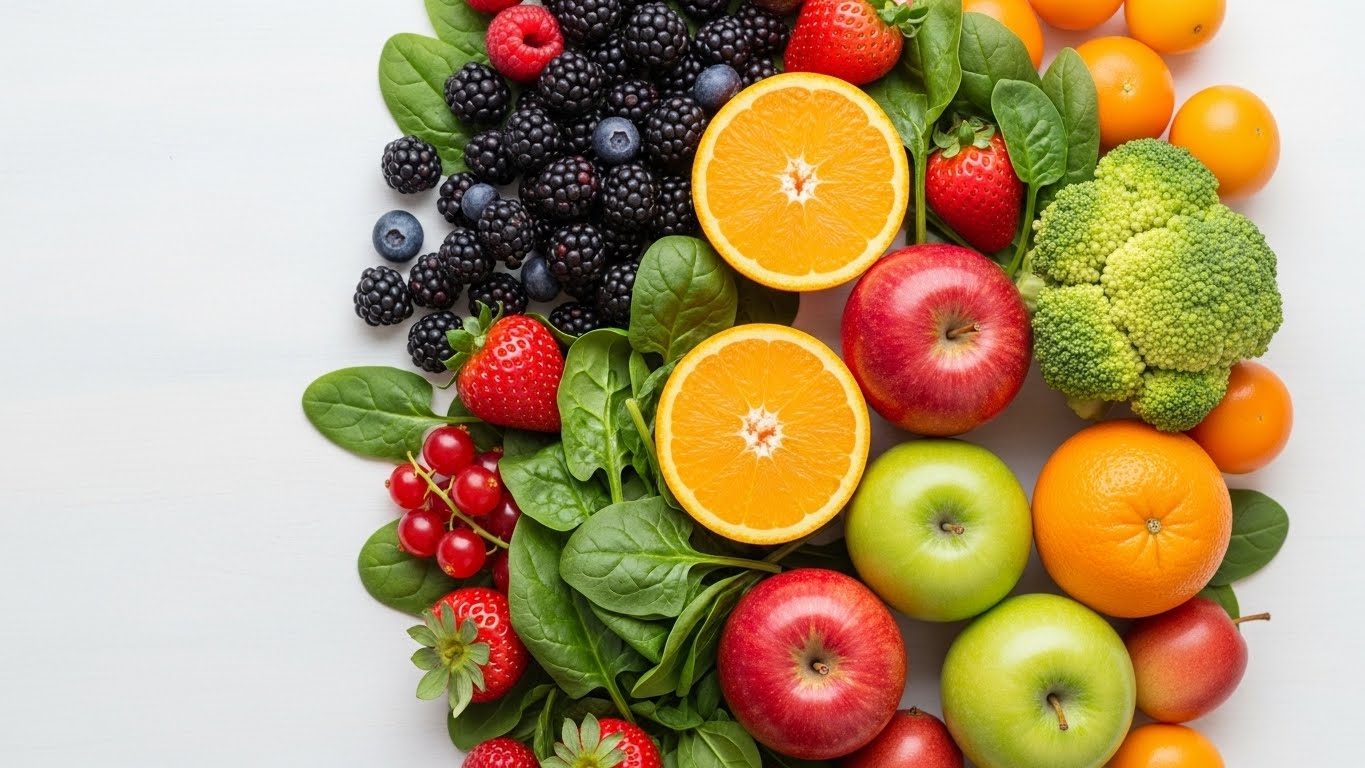
One of the most significant trends in nutrition is the rise of plant-based diets. More individuals are turning to vegetarian and vegan diets, driven by a desire for better health, ethical reasons, and environmental concerns. These diets emphasize whole, unprocessed foods like fruits, vegetables, legumes, nuts, and seeds.
Research indicates that plant-based diets are linked to a lower risk of heart disease, diabetes, and certain cancers. For instance, vegetarians often have lower cholesterol levels and blood pressure, contributing to overall heart health. Moreover, individuals following these diets report higher energy levels and improved digestion.
To accommodate this growing trend, food manufacturers and restaurants are offering a wider variety of plant-based products. From meat alternatives to dairy-free options, the availability of these products makes transitioning to a plant-based diet easier than ever before.
Intermittent Fasting: A New Approach to Eating
Another popular trend is intermittent fasting, which involves cycling between periods of eating and fasting. This approach is not so much about what you eat, but rather when you eat. Common methods include the 16/8 method, where individuals fast for 16 hours and eat during an 8-hour window, and the 5:2 method, which involves eating normally for five days and restricting calorie intake for two days.

Proponents of intermittent fasting claim that it aids in weight loss, improves metabolic health, and may even extend lifespan. The scientific community is actively researching these claims, with early studies showing promising results. However, it’s important to approach fasting with caution and consult with healthcare professionals to ensure it suits individual health needs.
Functional Fitness Training
In the realm of exercise, functional fitness has gained popularity. This form of training focuses on exercises that mimic real-life movements, enhancing strength, balance, coordination, and endurance. Functional fitness is particularly beneficial as it prepares the body for everyday activities, reducing the risk of injury.
Workouts often include compound movements such as squats, lunges, push-ups, and kettlebell swings. These exercises engage multiple muscle groups simultaneously, resulting in a comprehensive workout that improves overall physical performance. Functional fitness is suitable for all ages and fitness levels, making it a versatile option for those looking to enhance their physical abilities.
Mind-Body Connection: Yoga and Mindfulness
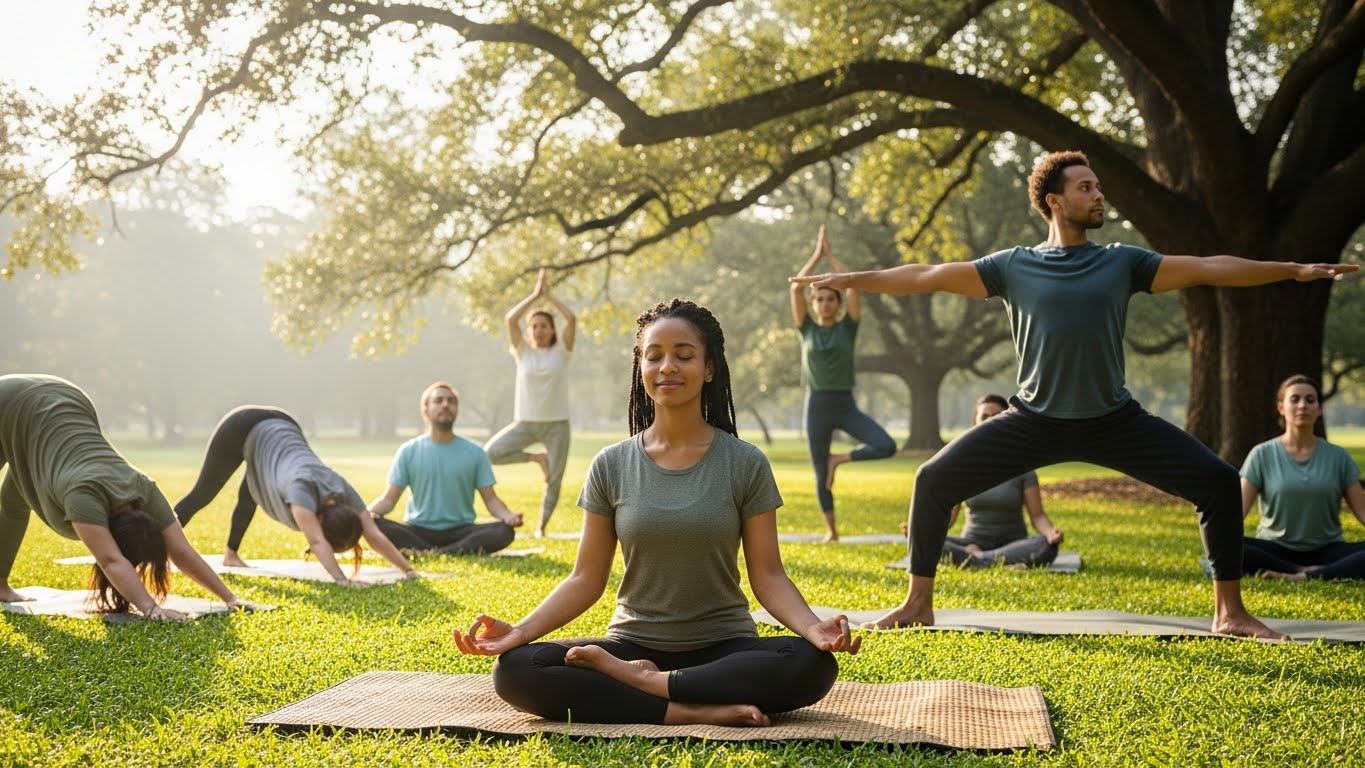
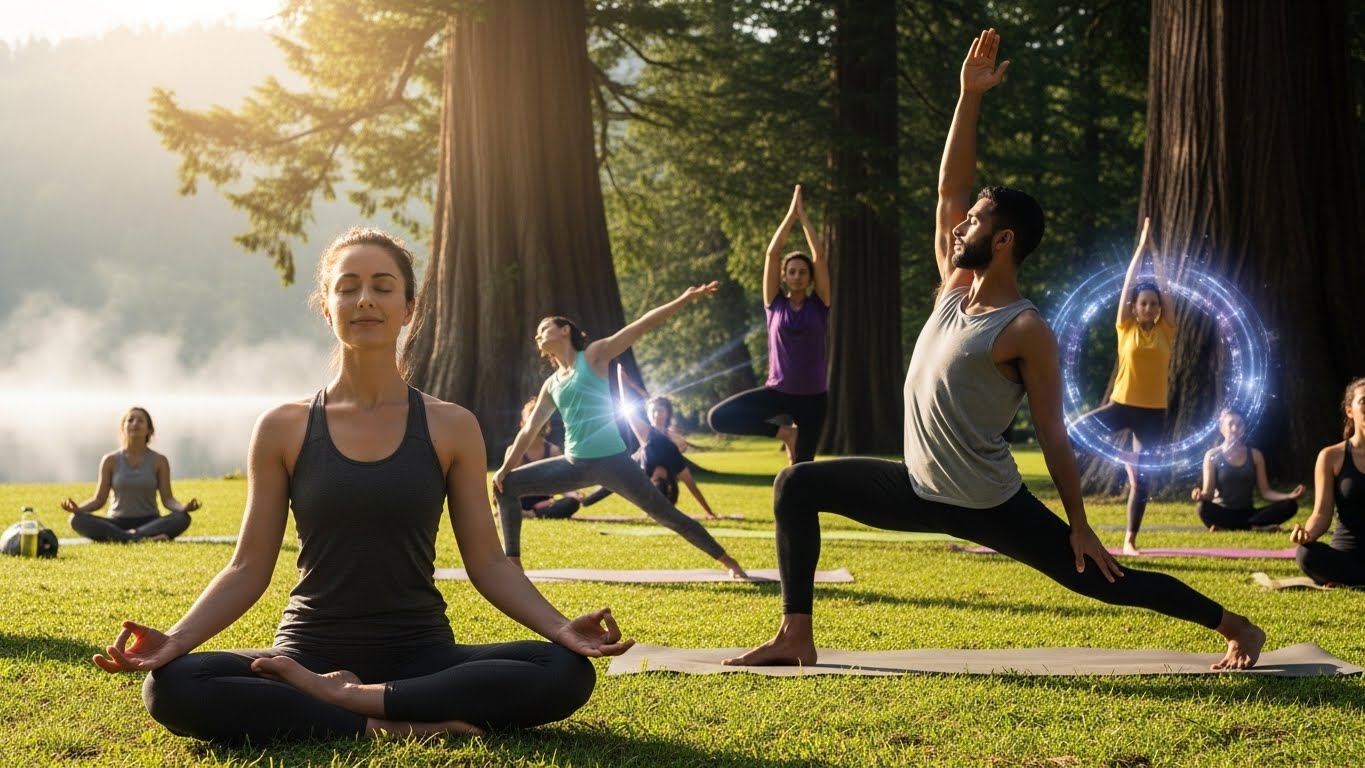
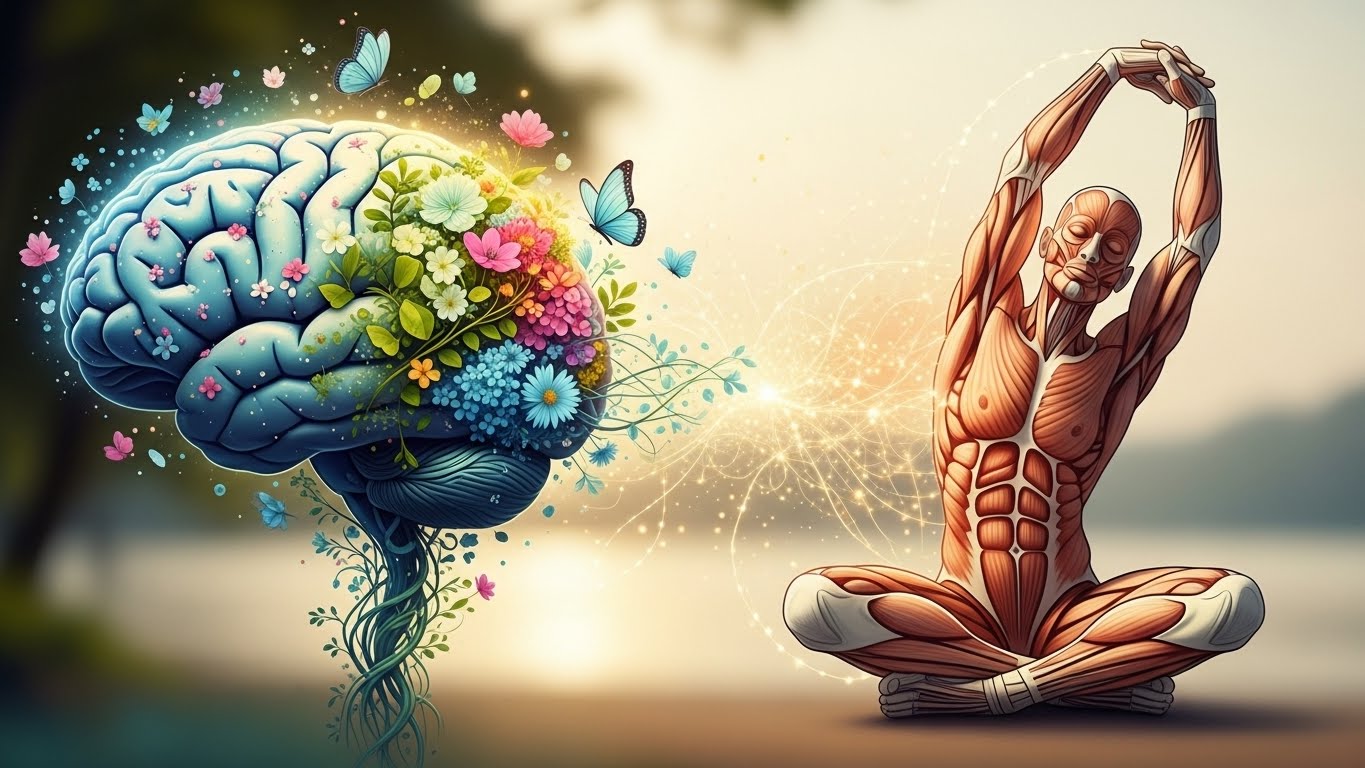
The importance of the mind-body connection is gaining recognition, with practices like yoga and mindfulness becoming integral components of many fitness routines. Yoga combines physical postures, breathing exercises, and meditation to promote mental clarity, reduce stress, and improve flexibility and strength.
Mindfulness, on the other hand, emphasizes being present in the moment, which can enhance focus and emotional resilience. Incorporating mindfulness into exercise routines can lead to a greater sense of well-being and improved mental health. As people seek balance in their lives, these practices offer a holistic approach to health and fitness.
Technology-Driven Workouts

Advancements in technology have transformed the fitness industry, with technology-driven workouts becoming increasingly popular. Wearable fitness trackers, smartwatches, and mobile apps offer personalized workout plans, track progress, and provide real-time feedback.
Virtual fitness classes and home workout equipment equipped with interactive screens have made it easier for individuals to exercise from the comfort of their homes. These innovations provide the flexibility and convenience that many people desire, especially in a post-pandemic world where remote options are highly valued.
The Role of Personalized Nutrition
Personalized nutrition is an emerging trend that tailors dietary recommendations to an individual’s unique genetic makeup, lifestyle, and health conditions. By analyzing factors such as DNA and microbiome composition, personalized nutrition aims to optimize health outcomes and address specific dietary needs.
This approach recognizes that there is no one-size-fits-all solution when it comes to diet. Advances in technology have made it possible to provide customized dietary advice, helping individuals achieve their health goals more effectively. Personalized nutrition is set to revolutionize how we approach diet and health in the years to come.
Takeaways
The landscape of health and fitness is continually evolving, with new trends emerging to meet the changing needs and preferences of individuals. From plant-based diets and intermittent fasting to functional fitness and technology-driven workouts, these trends offer exciting opportunities to enhance our well-being.
As we navigate these lifestyle changes, it’s essential to remain informed and adaptable, choosing practices that align with our personal health goals and values. Embracing these trends can lead to a healthier, more fulfilled life, as we strive to achieve balance in both body and mind.
Integrating Social and Community Aspects
As individuals strive for healthier lifestyles, the social and community aspects of health and fitness have become more pronounced. Group fitness classes, running clubs, and online fitness communities offer a platform for like-minded individuals to connect, share experiences, and support each other on their wellness journeys. These social interactions not only provide motivation but also foster a sense of belonging and accountability.

Community-driven initiatives, such as local health fairs and public fitness events, have also gained traction. These events encourage community members to engage in physical activity and learn about healthy lifestyle choices. By fostering a supportive environment, these initiatives help create a culture of health and wellness that benefits individuals and communities alike.
The Environmental Impact of Fitness Choices
In an era where sustainability is a pressing concern, the environmental impact of our lifestyle choices, including fitness, is under scrutiny. Eco-friendly gym equipment, sustainable workout apparel, and environmentally conscious brands are gaining popularity among consumers who prioritize environmental responsibility.
Moreover, outdoor workouts and activities like hiking, cycling, and running not only provide health benefits but also encourage individuals to connect with nature. As people become more aware of their ecological footprint, making environmentally conscious fitness choices is becoming an integral part of the health and fitness narrative.
The Future of Health and Fitness Trends
Looking ahead, the future of health and fitness trends is poised to be shaped by innovation, inclusivity, and a holistic approach to well-being. Virtual reality (VR) workouts, which offer immersive and engaging fitness experiences, are likely to become more mainstream. These VR experiences can make exercise more enjoyable and accessible, particularly for those who may find traditional workouts challenging or monotonous.
Inclusive fitness is another area poised for growth, with the industry focusing on creating accessible and adaptable workout options for individuals of all abilities. By ensuring that fitness opportunities are available to everyone, regardless of age, ability, or background, the industry can promote a more inclusive approach to health and well-being.
Practical Tips for Embracing Health and Fitness Trends
Adopting the latest health and fitness trends can seem overwhelming, but practical steps can make the transition smoother. Here are some tips to get started:
- Start Small: Gradually incorporate new dietary habits or exercises into your routine to avoid feeling overwhelmed.
- Seek Professional Guidance: Consult with nutritionists or fitness trainers to create personalized plans that suit your goals and needs.
- Stay Informed: Keep up with the latest research and trends to make informed decisions about your health.
- Set Realistic Goals: Establish achievable milestones to maintain motivation and track progress.
- Embrace Flexibility: Be open to trying new things and adjusting your approach as needed to find what works best for you.

Conclusion: Embracing a Holistic Lifestyle
As we embrace the latest health and fitness trends, it’s crucial to adopt a holistic approach that considers both physical and mental well-being. By staying informed and open to change, individuals can find the right balance that suits their lifestyle and health goals. The integration of new nutritional insights, innovative exercise techniques, and community support can lead to a more fulfilling and sustainable path to health.
In conclusion, as we continue to navigate the evolving landscape of health and fitness, it’s essential to prioritize well-being in all its forms. By doing so, we can foster a healthier, more vibrant community and enhance our quality of life for the long term.
Understanding the Role of Mental Health in Fitness
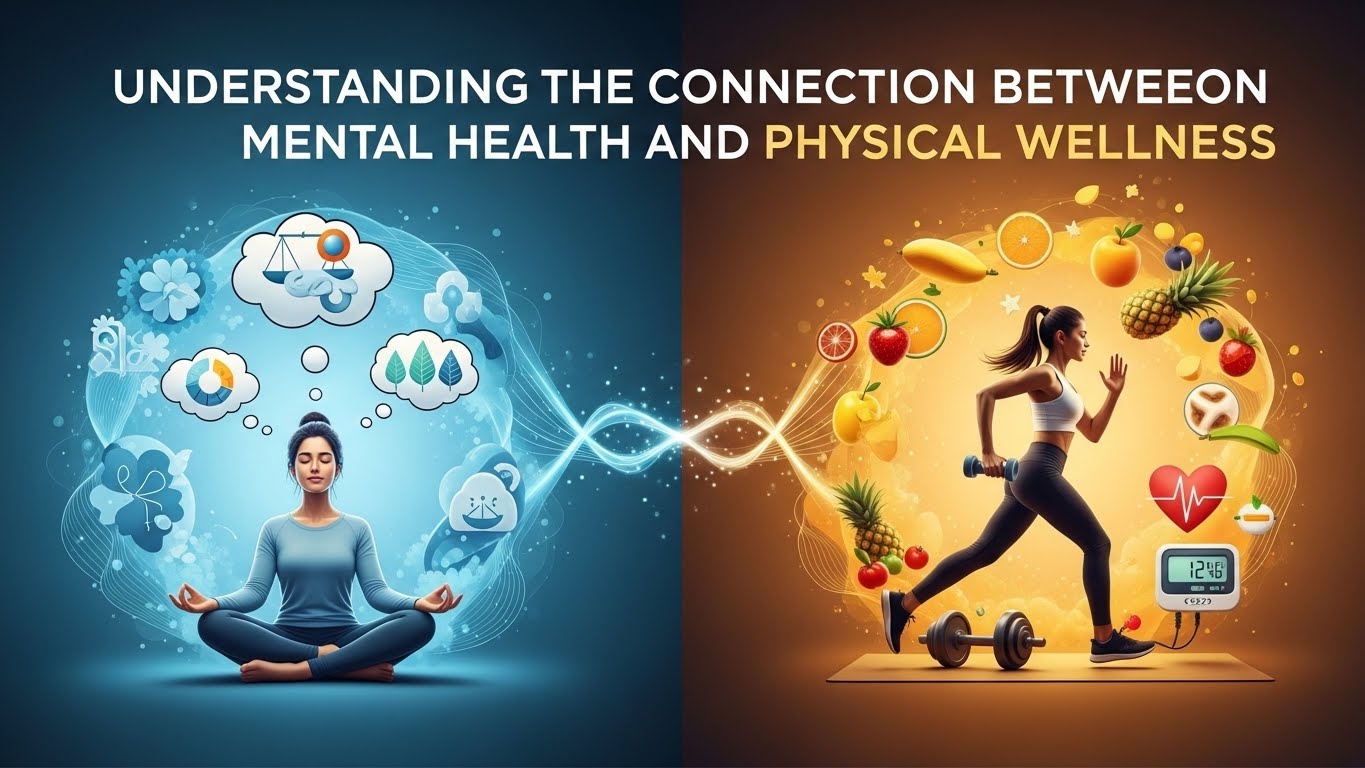
Mental health is increasingly being recognized as a vital component of overall fitness. The connection between physical activity and mental well-being is well-documented, with exercise shown to reduce symptoms of anxiety and depression. As a result, mental health is becoming an integral part of fitness programs, with more emphasis placed on activities that promote emotional resilience and mental clarity.
Fitness programs are now incorporating elements such as meditation, breathing exercises, and stress management techniques. These practices not only enhance mental health but also improve physical performance by reducing stress-related barriers. As awareness of mental health increases, fitness professionals are better equipped to support individuals in achieving holistic well-being.
Exploring Global Influences on Fitness Trends
Globalization has played a significant role in shaping health and fitness trends, as cultural exchanges introduce diverse practices to different parts of the world. For instance, practices like Tai Chi and Ayurveda have gained popularity outside their countries of origin, offering alternative approaches to health and wellness.
International fitness trends often bring unique perspectives and methods that can be integrated into existing routines. This cross-cultural exchange enriches the fitness industry, providing individuals with a broader range of options to explore and incorporate into their wellness journeys.
Breaking Down Barriers to Fitness Access
Despite the growing awareness of health and fitness, access remains a significant barrier for many individuals. Factors such as socioeconomic status, geographical location, and physical ability can limit access to fitness resources and opportunities. Addressing these barriers is crucial for promoting equitable access to health and fitness.
Community programs, subsidies for fitness memberships, and public spaces designed for physical activity can help bridge the gap. Additionally, digital platforms and online resources have made fitness more accessible, allowing individuals from various backgrounds to engage in health-promoting activities without significant financial or logistical constraints.
Adapting to Lifestyle Changes
Adapting to new health and fitness trends often requires adjustments to our daily routines and lifestyle choices. As individuals embrace these trends, it’s important to remain flexible and open to change while maintaining a balance that aligns with personal values and goals.
Lifestyle changes can be daunting, but they also present opportunities for growth and transformation. By prioritizing health and fitness, individuals can enhance their quality of life and enjoy the benefits of a healthier lifestyle, both physically and mentally.
Final Thoughts on Navigating Health and Fitness Trends
In a world where health and fitness trends are constantly evolving, staying informed and adaptable is key to making the most of new opportunities. Whether it’s through embracing plant-based diets, exploring innovative exercise techniques, or prioritizing mental health, there are countless ways to enhance our well-being.
Ultimately, the journey to health and fitness is a personal one, with each individual’s path shaped by their unique preferences, goals, and circumstances. By staying connected to the latest trends and remaining open to new possibilities, individuals can build a sustainable and fulfilling lifestyle that supports long-term health and happiness.