estilo-vida.com
Health and Fitness: Unpacking the Latest Lifestyle Trends in Nutrition and Exercise
In the ever-evolving landscape of health and fitness, staying informed about the latest trends is crucial for anyone looking to enhance their well-being. As individuals worldwide become increasingly conscious of their lifestyle choices, the focus has shifted towards more sustainable, holistic, and personalized approaches to health. This blog post delves into the current trends in nutrition and exercise, exploring how they are shaping modern lifestyles and promoting a healthier future.
The Rise of Personalized Nutrition
Personalized nutrition is at the forefront of contemporary health trends, driven by advancements in genetic testing and a deeper understanding of individual dietary needs. Unlike the one-size-fits-all approach that dominated the past, personalized nutrition emphasizes creating diet plans tailored to an individual’s unique genetic makeup, lifestyle, and health goals.
One key aspect of personalized nutrition is the use of DNA testing to identify genetic variations that affect nutrient metabolism. By understanding these variations, individuals can make informed dietary choices to optimize their health. For example, a person with a genetic predisposition to lactose intolerance can adjust their diet accordingly, ensuring they receive adequate calcium from alternative sources.
Moreover, personalized nutrition plans often incorporate an individual’s lifestyle factors, such as activity level, stress, and sleep patterns. This holistic approach ensures that dietary recommendations align with the person’s overall health and wellness objectives. For those interested in exploring personalized nutrition further, resources like Healthline’s guide on personalized nutrition offer valuable insights.

Plant-Based Diets and Their Impact
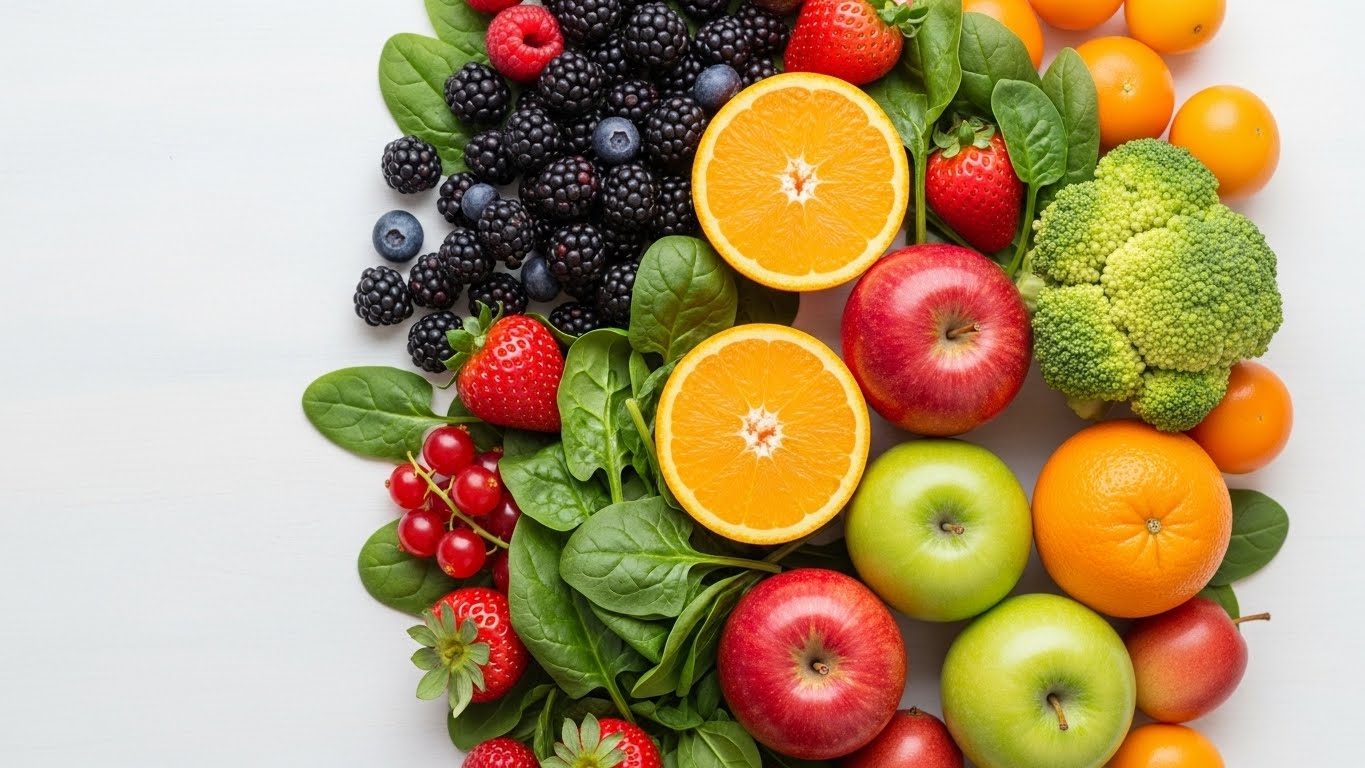
The shift towards plant-based diets is another significant trend in the health and fitness sphere. As more people recognize the environmental and health benefits of reducing animal product consumption, plant-based diets are gaining popularity. These diets emphasize whole, minimally processed foods derived from plants, including fruits, vegetables, nuts, seeds, and legumes.
Studies have shown that adopting a plant-based diet can lead to numerous health benefits, such as improved heart health, reduced risk of chronic diseases, and better weight management. Additionally, a plant-based lifestyle is often linked to environmental sustainability, as it typically requires fewer natural resources and generates lower greenhouse gas emissions compared to diets rich in animal products.
For those considering a transition to a plant-based diet, it’s essential to ensure adequate intake of key nutrients like protein, iron, and vitamin B12. Resources such as EatRight’s guidelines on vegetarian and special diets can provide comprehensive guidance on maintaining a balanced plant-based diet.
Integrative and Functional Fitness
In recent years, the fitness industry has witnessed a surge in integrative and functional fitness trends, which focus on improving overall strength, flexibility, and balance. Unlike traditional exercise regimens that often isolate specific muscle groups, functional fitness emphasizes movements that mimic real-life activities, enhancing the body’s ability to perform daily tasks efficiently.

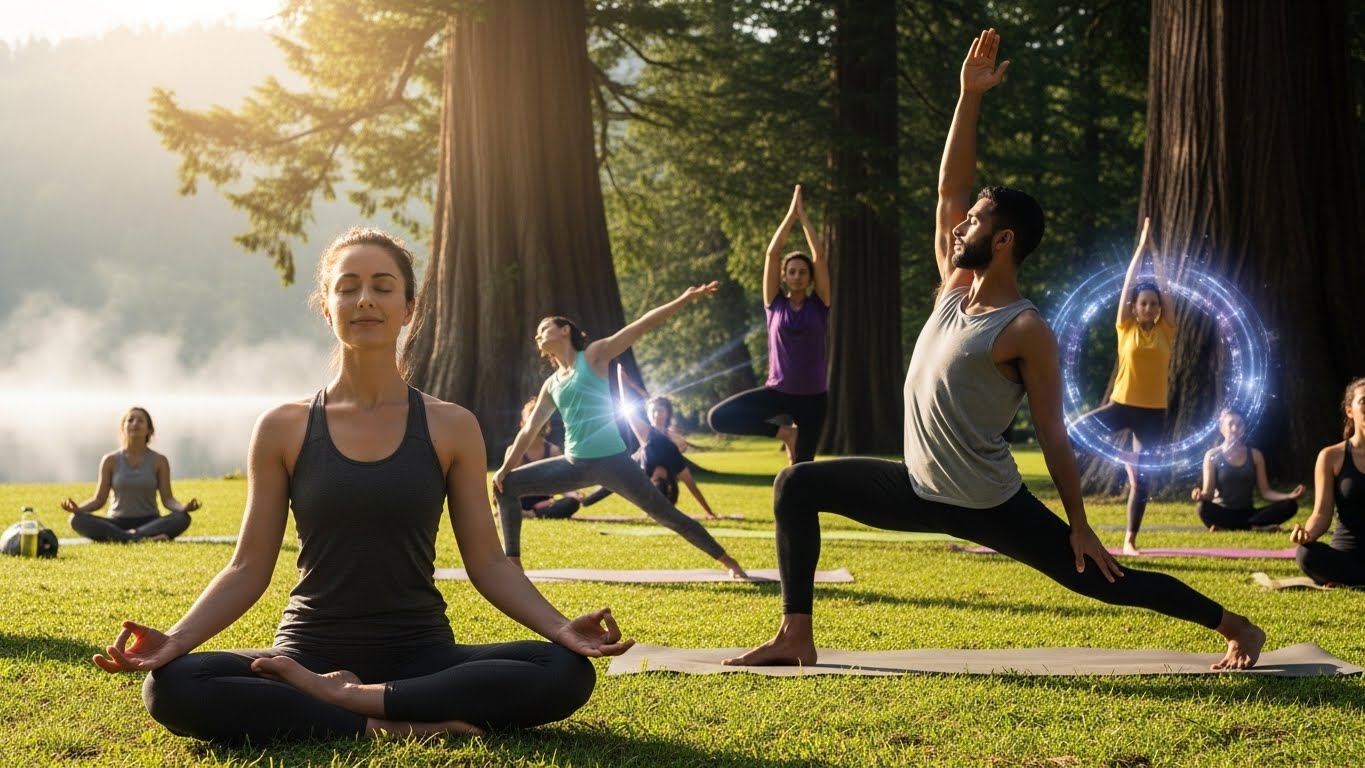
Integrative fitness approaches often incorporate elements from various disciplines, such as yoga, Pilates, and strength training, providing a well-rounded workout that targets different aspects of physical fitness. This trend is particularly appealing to individuals seeking to improve their overall well-being, as it combines physical, mental, and emotional health benefits.
Moreover, functional fitness is particularly beneficial for older adults, as it can enhance mobility and decrease the risk of falls. For more information on incorporating functional fitness into your routine, consider exploring resources like the American College of Sports Medicine’s fitness trend reports.
The Mind-Body Connection in Exercise
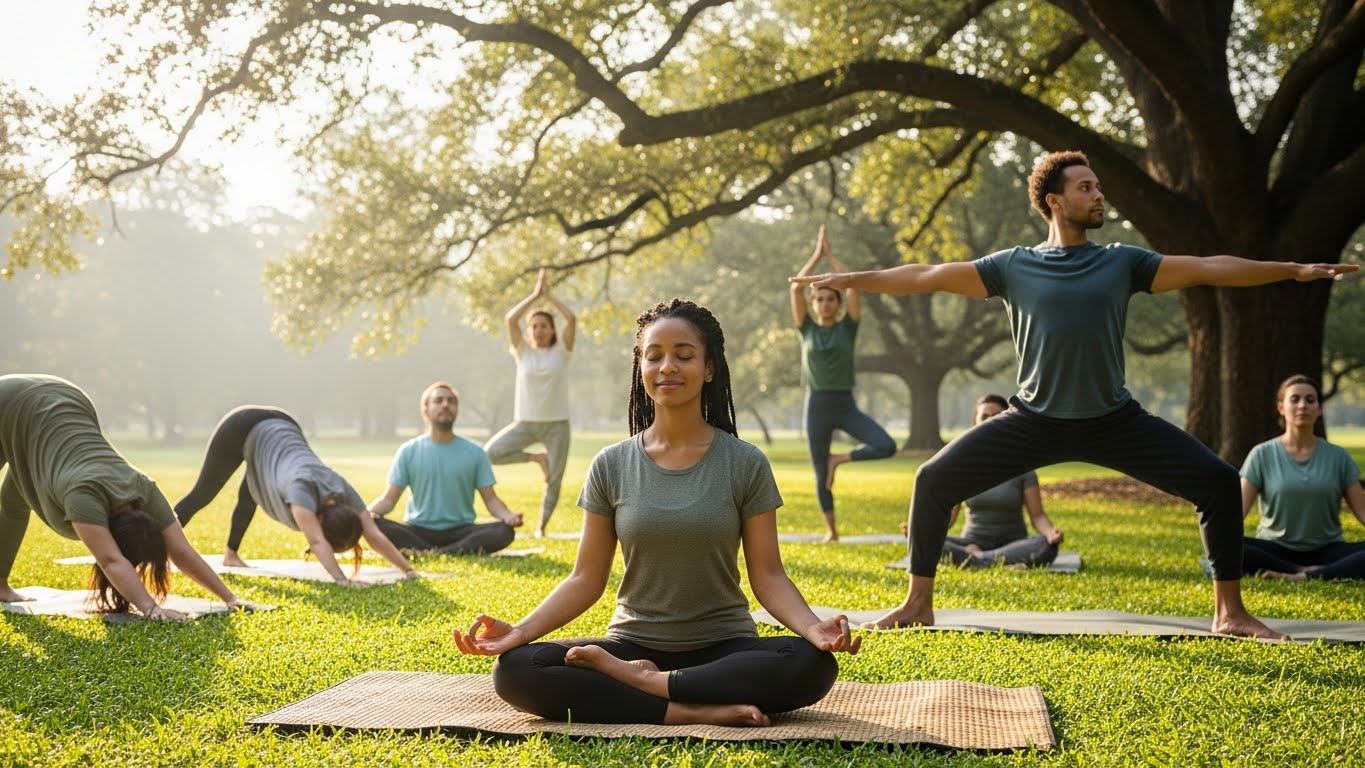
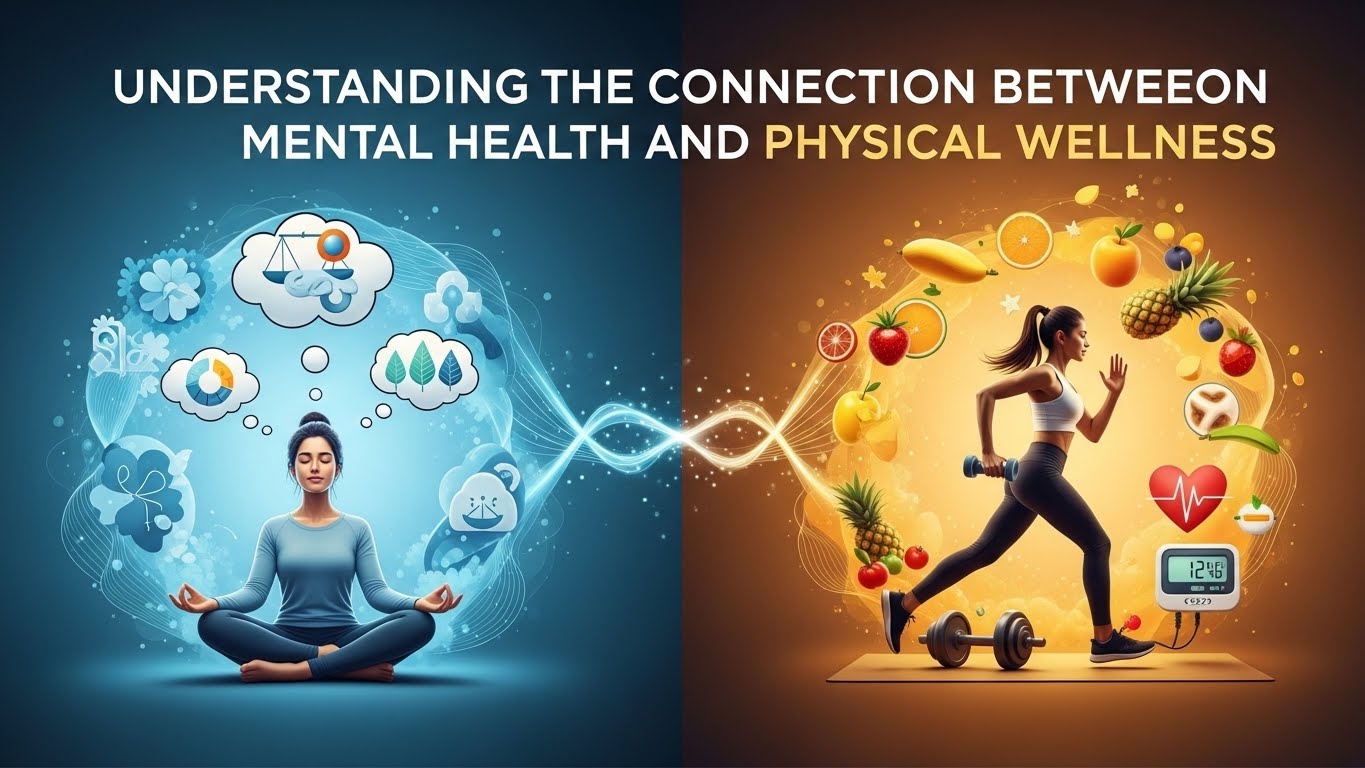
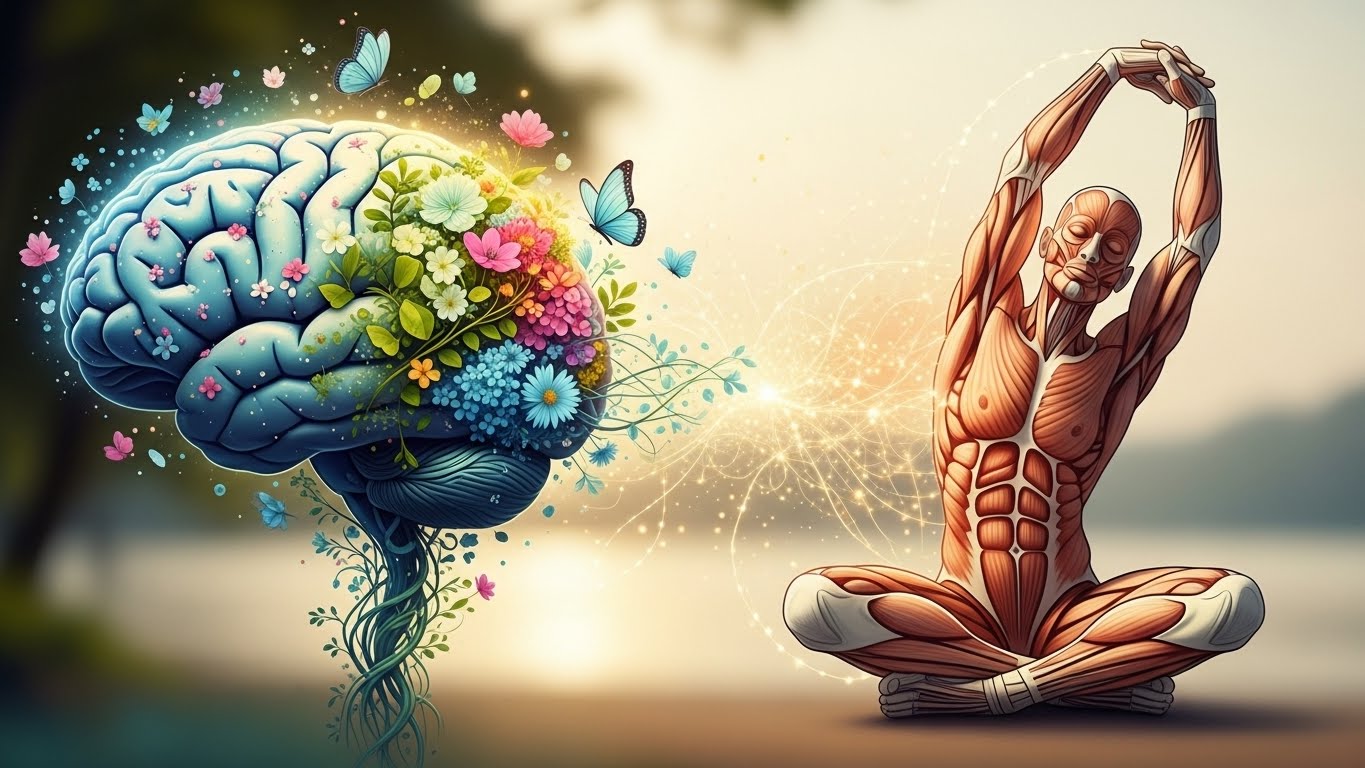
The concept of the mind-body connection in exercise is gaining traction as people seek more holistic approaches to fitness. This trend emphasizes the integration of mental and physical health, recognizing that a balanced state of mind can significantly enhance physical performance and overall well-being.
Practices such as mindfulness meditation, yoga, and tai chi are becoming increasingly popular as they promote relaxation, reduce stress, and improve mental clarity. These activities not only enhance physical flexibility and strength but also foster a sense of inner peace and emotional resilience.
Incorporating mind-body exercises into one’s routine can lead to improved focus, greater body awareness, and a deeper connection with oneself. To understand more about the benefits of the mind-body connection in fitness, resources like Psychology Today’s exploration of the mind-body connection provide valuable insights.

Digital Fitness: The New Normal
The digital revolution has transformed the fitness industry, making it more accessible and convenient than ever before. With the rise of fitness apps, virtual workout classes, and wearable technology, individuals can now tailor their fitness routines to suit their preferences and schedules.
Fitness apps and online platforms offer a wide range of workouts, from high-intensity interval training (HIIT) to yoga and dance, allowing users to exercise from the comfort of their homes. Additionally, wearable fitness devices provide real-time data on physical activity, heart rate, and sleep patterns, empowering individuals to track their progress and make informed decisions about their health.
The convenience of digital fitness solutions has made it easier for people to integrate regular exercise into their busy lives, leading to increased physical activity levels worldwide. For those looking to explore the world of digital fitness, platforms like Verywell Fit’s recommendations on the best fitness apps can be a great starting point.
Conclusion: Embracing a Holistic Approach to Health and Fitness
The latest trends in health and fitness underscore the importance of a holistic approach to well-being, one that considers the interconnectedness of physical, mental, and emotional health. From personalized nutrition and plant-based diets to integrative fitness and the mind-body connection, these trends reflect a growing awareness of the need for sustainable and individualized lifestyle choices.
As we continue to navigate the complexities of modern life, embracing these trends can empower individuals to take control of their health and achieve their wellness goals. By staying informed and open to new approaches, we can pave the way for a healthier, more balanced future.

The Importance of Recovery and Self-Care
In the quest for optimal health, it’s crucial not to overlook the significance of recovery and self-care. As exercise intensity and frequency increase, so does the need for adequate recovery to prevent injuries and ensure long-term success. Recent trends emphasize the role of rest, sleep, and active recovery as essential components of a balanced fitness regimen.
Active recovery involves engaging in low-intensity activities on rest days to promote circulation and muscle repair. Examples include walking, light stretching, or leisurely swimming. These activities help maintain mobility and reduce muscle soreness without adding stress to the body.
Furthermore, quality sleep is paramount for effective recovery. During sleep, the body repairs tissues, synthesizes proteins, and releases growth hormones, all of which contribute to enhanced athletic performance and overall health. Establishing a consistent sleep schedule, creating a restful environment, and practicing relaxation techniques can improve sleep quality and, in turn, recovery.
For more insights on recovery and self-care techniques, consider exploring resources like Sleep Foundation’s guide on sleep and athletic performance.
The Future of Health and Fitness
As we look to the future, the health and fitness industry is poised to continue evolving, driven by technological advancements, scientific research, and changing consumer preferences. Emerging trends such as biohacking, virtual reality workouts, and AI-driven health coaching are set to redefine how we approach fitness and nutrition.

Biohacking involves using technology and science to optimize the body’s functioning, often through personalized interventions. This can include everything from using wearable devices to track biometrics to experimenting with nootropic supplements to enhance cognitive performance.
Virtual reality (VR) workouts are another exciting development, providing immersive exercise experiences that make fitness engaging and fun. By transporting users to different environments, VR workouts offer a unique way to stay active while exploring new settings.
AI-driven health coaching is also gaining traction, with AI algorithms analyzing user data to provide personalized fitness and nutrition recommendations. This technology offers a tailored approach to health and fitness, enabling individuals to achieve their goals more efficiently.
The future of health and fitness holds immense potential, with these innovations paving the way for more effective, personalized, and enjoyable experiences.
Final Thoughts: Embracing Change
In conclusion, the latest lifestyle trends in nutrition and exercise highlight a shift towards more personalized, holistic, and sustainable approaches to health. By embracing these changes and staying informed about emerging trends, individuals can make informed decisions about their well-being and foster a healthier lifestyle.
Whether it’s adopting a plant-based diet, integrating mind-body exercises, or utilizing digital fitness solutions, the options are vast and varied. The key lies in finding what works best for each individual, taking into account their unique needs, preferences, and goals.
As we navigate the ever-evolving world of health and fitness, staying adaptable and open to new possibilities will ensure that we continue to thrive in our pursuit of wellness. By doing so, we can build a strong foundation for a healthier, more fulfilling life.