How Minimalist Living: An Emerging Lifestyle Trend is Redefining Modern Homes In recent years, the minimalist lifestyle has surged in popularity, influencing not just personal habits but als.
estilo-vida.comBrazil lifestyle news and trend analysis.
“How Minimalist Living: An Emerging Lifestyle Trend is Redefining Modern Homes”
Updated: April 16, 2026
How Minimalist Living: An Emerging Lifestyle Trend is Redefining Modern Homes
In recent years, the minimalist lifestyle has surged in popularity, influencing not just personal habits but also the design and functionality of modern homes. As more people seek to simplify their lives, the principles of minimalism are being woven into the very fabric of living spaces. This shift is not merely about reducing clutter; it is a profound change that touches on sustainability, mental health, and the way we view our possessions.
The Roots of Minimalism
Minimalism is not a new concept. Its roots can be traced back to various cultural and philosophical movements. In the art world, minimalism emerged in the late 1950s as a reaction against the complexity of abstract expressionism. However, the minimalist lifestyle as we know it today draws heavily from Japanese Zen philosophy, which emphasizes simplicity, clarity, and harmony.
The minimalist movement gained momentum in the modern era with the publication of books like Marie Kondo’s The Life-Changing Magic of Tidying Up and the rise of influential figures like Joshua Fields Millburn and Ryan Nicodemus, known as The Minimalists. These works highlight the benefits of living with less and have inspired millions to adopt a minimalist approach to their homes and lives.
Minimalism in Modern Home Design
One of the most visible impacts of minimalist living is its influence on modern home design. Minimalist homes are characterized by clean lines, open spaces, and a lack of clutter. The focus is on functionality and the idea that every item in a home should serve a purpose or bring joy.
Open Floor Plans
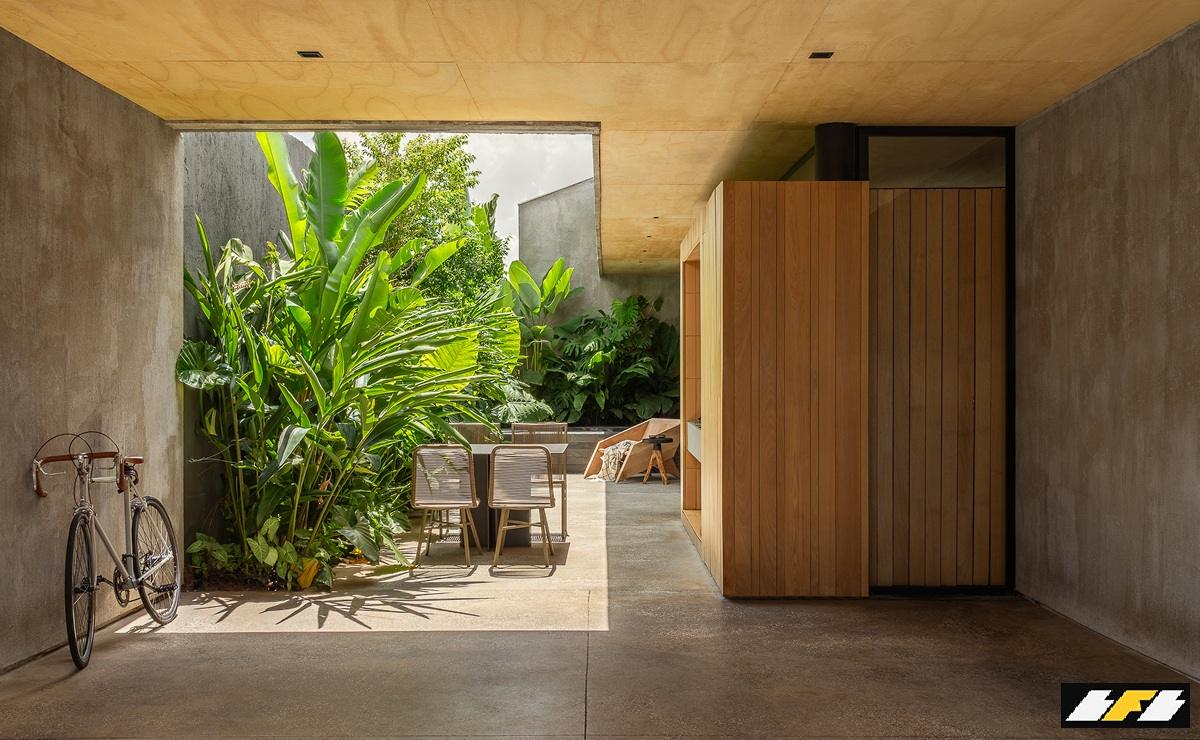
The trend towards open floor plans in modern architecture aligns perfectly with minimalist principles. By eliminating walls and barriers, open floor plans create a sense of spaciousness and flexibility. This design choice encourages social interaction and allows natural light to flow through the space, enhancing the sense of calm and openness.

Neutral Color Palettes
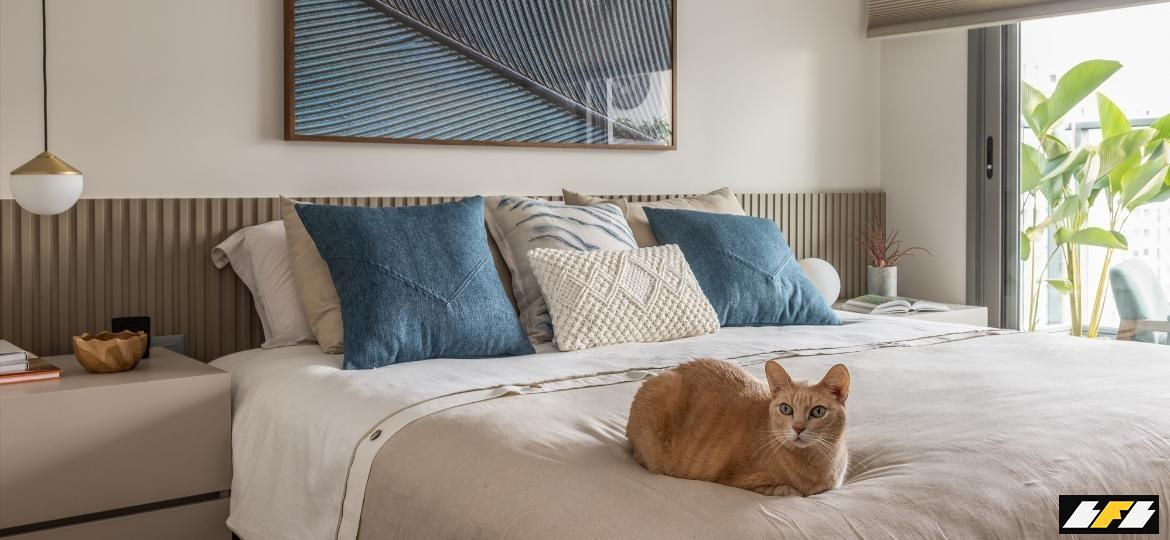
Minimalist homes often feature neutral color palettes, which contribute to a serene and cohesive environment. Shades of white, beige, and gray are commonly used to create a backdrop that highlights the architectural features of the home and the few, carefully chosen pieces of furniture and decor.
Multi-Functional Furniture
In a minimalist home, furniture is often multi-functional to maximize space and utility. For example, a sleek sofa bed can provide seating during the day and transform into a comfortable bed at night. Similarly, a dining table might double as a workspace, reflecting the minimalist ethos of functionality and versatility.
The Psychological Benefits of Minimalist Living
While the aesthetic appeal of minimalist design is evident, the lifestyle’s psychological benefits are equally compelling. A minimalist home can significantly impact mental health by reducing stress and promoting a sense of calm and order.
Reduced Stress and Anxiety
Clutter is known to contribute to stress and anxiety. By adopting a minimalist lifestyle, individuals can create a more peaceful and organized environment, which can lead to improved mental well-being. The simple act of decluttering can be therapeutic, providing a sense of control and accomplishment.
Enhanced Focus and Productivity
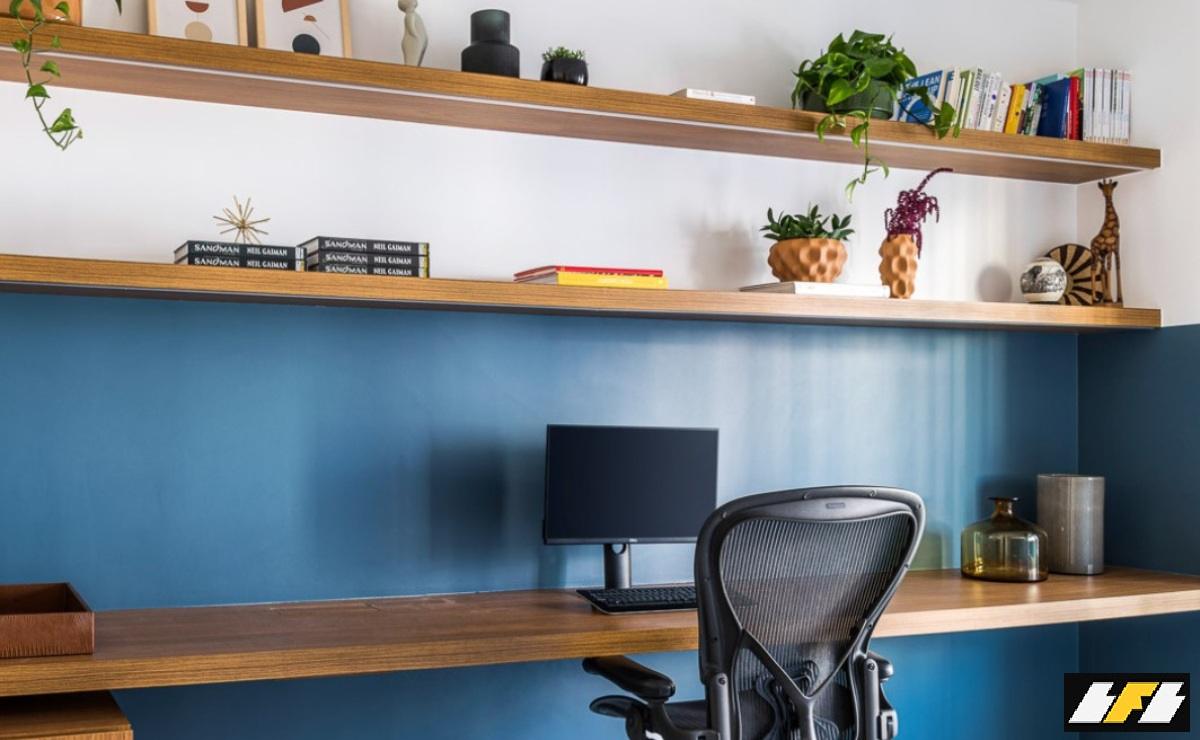
A minimalist home minimizes distractions, allowing individuals to focus more easily on tasks at hand. This can enhance productivity, making it easier to concentrate on work or creative projects. With fewer physical and mental distractions, people can channel their energy more effectively.
Improved Emotional Well-being
Living with less encourages people to appreciate what they have and focus on experiences rather than possessions. This shift in mindset can lead to greater satisfaction and contentment. By valuing experiences over material goods, individuals can cultivate a more meaningful and fulfilling life.
Minimalism and Sustainability
Another significant aspect of minimalist living is its alignment with sustainable practices. By consuming and owning less, minimalists inherently reduce their environmental footprint. This is a crucial consideration in today’s world, where sustainability is becoming increasingly important.

Reduction in Consumption
Minimalism encourages mindful consumption. By buying only what is necessary and opting for quality over quantity, individuals can reduce waste and lessen their impact on the environment. This approach aligns with the principles of sustainable living, which emphasizes responsible consumption and conservation of resources.
Emphasis on Quality
Minimalists often prioritize quality over quantity, choosing durable, well-made products that last longer. This reduces the need for frequent replacements and decreases the amount of waste generated. Investing in high-quality items also supports ethical production practices, which are often more sustainable.
Support for Local and Ethical Brands
Minimalist living encourages individuals to support local and ethical brands that prioritize sustainability and fair labor practices. By choosing products from companies that align with these values, consumers can contribute to a more sustainable and equitable global economy.
Challenges and Criticisms of Minimalism
While minimalism offers numerous benefits, it is not without its challenges and criticisms. Some argue that minimalism can be elitist, as it often requires a certain level of financial stability to discard and replace items with higher-quality alternatives. Furthermore, the aesthetic of minimalism may not resonate with everyone, and some people may find the lifestyle too restrictive.
Despite these challenges, minimalism remains a compelling lifestyle choice for those seeking simplicity and purpose. By focusing on what truly matters, minimalists can lead more intentional and fulfilling lives.
Conclusion: Embracing Minimalism in Modern Homes
Minimalist living is more than just a lifestyle trend; it is a transformative approach that is reshaping modern homes and the way people live. By embracing minimalism, individuals can create spaces that are not only aesthetically pleasing but also conducive to well-being and sustainability.

As the world continues to evolve, the principles of minimalism offer a timeless framework for navigating the complexities of modern life. Whether through the adoption of minimalist design, the pursuit of mental clarity, or the commitment to sustainable practices, minimalism provides a pathway to a more balanced and meaningful existence. As more people discover the benefits of living with less, minimalism will undoubtedly continue to influence the future of home design and lifestyle choices.
Practical Steps to Transition into Minimalist Living
For those intrigued by minimalism and eager to incorporate its principles into their lives and homes, starting the journey can be both exciting and daunting. Here are some practical steps to help ease the transition into a minimalist lifestyle:
1. Start Small
One of the best ways to begin your minimalist journey is by starting small. Select a specific area or room in your home and focus on decluttering it. This could be a kitchen drawer, a wardrobe, or even your digital files. By tackling one area at a time, you can avoid feeling overwhelmed and gradually build momentum.
2. Evaluate Your Belongings
Take time to evaluate your possessions critically. Ask yourself whether each item is useful or brings joy to your life. If it doesn’t, consider donating, selling, or recycling it responsibly. This process helps you identify what truly matters and eliminates unnecessary clutter.
3. Adopt a ‘One In, One Out’ Policy
To maintain a minimalist home, adopt the ‘one in, one out’ policy. This means that for every new item you bring into your home, you should remove an existing one. This practice helps prevent the accumulation of unnecessary items and encourages mindful consumption.
4. Simplify Your Style
Minimalism is not just about reducing clutter; it’s also about simplifying your style. Opt for a wardrobe that consists of versatile, high-quality pieces that can be mixed and matched effortlessly. This approach reduces decision fatigue and streamlines your daily routine.
5. Incorporate Mindfulness

Mindfulness is a key component of minimalist living. By being present and mindful in your daily activities, you can make more intentional choices about what you bring into your life. Practices like meditation and journaling can help cultivate mindfulness and reinforce your commitment to minimalism.
Minimalism Beyond the Home
While minimalism often begins in the home, its principles can extend to other areas of life, including work, relationships, and personal growth.
Work and Productivity
Applying minimalism to your professional life can enhance productivity and reduce stress. Simplify your work environment by organizing your desk, minimizing digital clutter, and prioritizing tasks. Focus on what truly matters to achieve a better work-life balance.
Relationships
Minimalism can positively impact your relationships by encouraging you to invest time and energy in meaningful connections. By eliminating distractions and unnecessary commitments, you can focus on nurturing relationships that bring joy and fulfillment.
Personal Growth
Minimalism supports personal growth by encouraging introspection and self-awareness. As you strip away the excess, you gain clarity about your values and goals, enabling you to pursue a life aligned with your true passions. This journey of self-discovery can lead to a more fulfilling and purposeful existence.
Case Studies: Real-Life Minimalists
To better understand the impact of minimalist living, let’s explore a few real-life examples of individuals and families who have embraced this lifestyle:
The Johnson Family
The Johnson family, featured on the popular blog The Minimalist Mom, transformed their cluttered home into a minimalist haven. By reducing their possessions by over 50%, they created a more spacious and inviting environment for their children. The family reports feeling less stressed and more connected as a result of their minimalist lifestyle.
Susan’s Journey
Susan, a corporate executive, embraced minimalism to combat burnout and improve her work-life balance. By simplifying her wardrobe and decluttering her workspace, Susan found she had more time and mental energy for self-care and personal interests. Her minimalist approach extended to her calendar, where she prioritized activities that aligned with her values.

James’ Digital Declutter
James, a freelance writer, applied minimalism to his digital life by organizing his files, streamlining his online presence, and reducing screen time. This digital declutter increased his focus and creativity, allowing him to produce higher-quality work and enjoy more meaningful offline experiences.
The Future of Minimalist Living
As minimalism continues to gain traction, its influence on modern homes and lifestyles is expected to grow. The movement is evolving, with new interpretations and adaptations emerging to suit diverse needs and preferences.
Technology and Minimalism
Technology plays a significant role in the future of minimalist living. Smart home devices and digital platforms offer new ways to simplify daily tasks and reduce physical clutter. From voice-activated assistants to digital storage solutions, technology can complement minimalist principles by enhancing efficiency and convenience.
Community and Connection
The rise of minimalism has also led to the formation of communities where like-minded individuals can share experiences and support one another. Online forums, social media groups, and local meetups provide valuable resources for those seeking guidance and inspiration on their minimalist journey.
Conclusion: A Lifestyle for the Modern World
Minimalist living is more than a fleeting trend; it is a lifestyle that addresses the complexities of modern life by promoting simplicity, intentionality, and sustainability. As more people recognize the benefits of living with less, minimalism is poised to redefine not only our homes but also our values and priorities.
Whether you’re drawn to minimalism for its aesthetic appeal, its psychological benefits, or its alignment with sustainable practices, the journey towards a minimalist lifestyle can be transformative. By embracing minimalism, individuals can create spaces and lives that are truly reflective of their values, fostering a sense of peace and fulfillment in an increasingly chaotic world. As we continue to navigate the challenges of contemporary living, minimalism offers a beacon of clarity and purpose that is both timeless and timely.
Read More