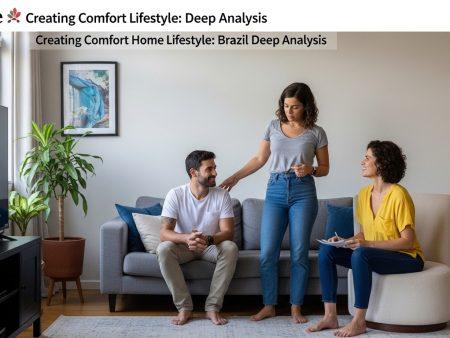
An in-depth analysis of who Lifestyle Brazil is today and how that evolving identity shapes daily life across Brazil’s cities and towns. Get key facts.
The question of who Lifestyle Brazil is today shapes how Brazilians navigate work, family, and leisure in a nation marked by regional diversity. This analysis traces the forces behind that evolving identity and what it means for daily choices—from meals and wellness routines to digital life and urban design.
Shifting Narratives in Brazilian Living
In major urban centers, lifestyle discourse has moved beyond mere aesthetics to become a lens on social mobility, regional pride, and everyday resilience. Media and brands often frame lifestyle as a spectrum that ranges from practical frugality to aspirational cosmopolitanism. Yet the lived experience in Brazil varies by city, income, and access to services, which means that the idea of a national lifestyle is less a single recipe and more a set of adaptive scripts that people borrow and revise. The question of who Lifestyle Brazil is today is inherently political, because it signals who gets to participate in the culture economy and who bears the costs of rapid change.
Regional realities also color how people discuss taste and style, from the saturated palettes of São Paulo’s street art to the quieter rhythms of the Northeast’s markets. In many households, lifestyle is inseparable from family obligations, where shared routines around cooking and conversation anchor identity more reliably than brand loyalties.
Economic Realities and Everyday Choices
Wage disparities, inflation, and regional development patterns shape how people spend time and money. Many families prioritize robust, affordable meals, flexible work arrangements, and reliable public transport over status signals. Health and wellness trends—the rise of home workouts, accessible fitness routines, and preventive care—reflect a desire for stability in uncertain times. Rather than chasing the latest global trend, a growing segment of Brazilians blends traditional practices (shared meals, communal social life) with practical modernization (digital banking, on-demand services, and compact urban housing) to sustain a balanced life within local constraints.
People adapt by seeking value — not just price, but durability, multi-function use, and local repair networks. This leads to a quiet shift toward longer-lasting goods, modular furniture for small apartments, and a preference for food that can be prepared quickly but still aligns with cultural preferences.
Technology, Media, and the Crafting of a Lifestyle Identity
Digital platforms amplify a spectrum of identities that feed into daily routines. Influencers, micro-creators, and local tastemakers curate versions of Brazilian living that mix authenticity with polish. This process creates a flexible brand around everyday life — one that can be aspirational for some and accessible for others. For many Brazilians, lifestyle content serves as a guide for self-improvement, but it also amplifies contrasts between metropolitan glamour and regional realities, underscoring that who Lifestyle Brazil is is a negotiated identity shaped by media, market forces, and personal circumstance.
Education, streaming and mobile connectivity expand access to global wellness scripts, yet Brazilians remix them with local flavors. The result is a hybrid culture where a fitness app may coexist with a traditional samba rehearsal, or a sustainable fashion trend sits beside regional crafts.
Actionable Takeaways
- Assess your monthly budget and align it with clear priorities—food, health, housing—before chasing trends.
- Support local producers and community spaces to reflect Brazil’s regional diversity rather than distant luxury brands.
- Establish a sustainable digital routine: set boundaries, curate feeds for credible information, and schedule offline time for family and rest.
- Invest in preventive health and preventive care routines, leveraging public services when possible to maximize value.