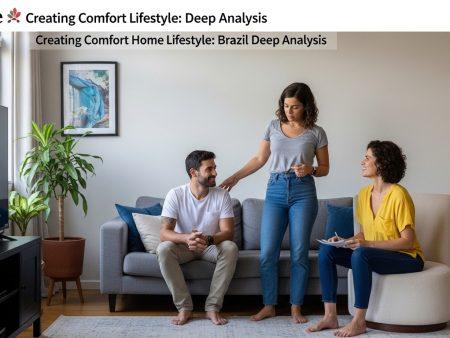
female Lifestyle Brazil: This analysis examines how Brazilian women shape daily life through work, wellness, and consumer choices, revealing practical.
estilo-vida.comBrazil lifestyle news and trend analysis.
Female Lifestyle Brazil: Trends, Costs, and Opportunities
Updated: April 16, 2026
The evolving landscape of female Lifestyle Brazil is not just about consumer choices; it’s a mirror of how Brazilian women navigate work, family, and personal well-being in a changing society.
Context and Stakes
Over the past decade, Brazilian households have seen women assume broader roles in the economy, education, and public life. This shift is underpinned by improvements in access to higher education and the digitization of everyday life, which has lowered barriers to entrepreneurship, remote work, and sustained caregiving roles. The result is a more informed consumer base that expects products and services to fit a demanding daily rhythm: multi-tasking, time-scarce, and value-oriented. For brands and media in style- and wellness-focused segments, this means moving beyond stereotypes and offering practical, accountable solutions that reflect genuine variation across age, region, and income in Brazil.
Yet the stakes extend beyond commercial success. Policy debates about parental leave, micro-entrepreneurship, and urban mobility directly influence how women balance career ambitions with family responsibilities. The health and wellness arena—ranging from mental health to fitness routines—has become a public concern and a market opportunity, with real consequences for social inequities. In this context, the term female Lifestyle Brazil ceases to describe a market niche and starts to map a set of lived experiences that brands, workers, and policymakers must address with care and clarity.
Trends Shaping Brazilian Female Lifestyle
One driver is the blending of professional and personal spaces. As more Brazilian women work remotely or in flexible arrangements, households reconfigure routines, from morning workouts at home to afternoon caregiving that integrates with meetings on a laptop screen. This hybrid reality affects consumer demand for versatile apparel, modular furniture, and convenient food solutions. Social media and influencer ecosystems have accelerated access to advice on beauty, parenting, savings, and career development, creating a feedback loop where trends emerge quickly and adapt to regional tastes.
Another trend centers on health and mental well-being. Brazilians increasingly seek holistic approaches to wellness, including sleep, stress management, and prevention-based healthcare. This shift is accompanied by a rise in community-oriented formats—local fitness clubs, neighborhood wellness programs, and online groups—that provide social support and accountability. In marketing terms, this translates into demand for authentic storytelling and transparent product claims rather than aspirational fantasy.
Fashion and beauty cycles reveal both continuity and change: classic silhouettes endure, but color palettes, textures, and sustainability concerns influence purchases. Consumers increasingly value transparency around supply chains, eco-friendly materials, and fair labor practices, especially when the audience is highly informed about global and local production dynamics.
Economic and Policy Drivers
Brazil’s macroeconomy shapes what is affordable and accessible for families. Inflation, credit access, and digital payment adoption affect how households allocate budgets for apparel, wellness, and leisure. In addition, public policy debates about child care support, parental leave, and small-business entrepreneurship influence women’s ability to pursue work outside the home while maintaining caregiving responsibilities. When policy aligns with lived realities—affordable childcare, microfinancing for women-led ventures, and digital literacy programs—the shield between aspiration and achievement grows thinner.
Media and brand strategies must also account for regional disparities. Urban centers such as São Paulo and Rio de Janeiro display different consumption patterns from the northeast or inland regions. Language, color, and media platforms matter; campaigns that ignore regional variation risk misaligned messaging and wasted spend. The practical takeaway is that segmentation by geography and life stage becomes essential for campaigns claiming to speak to female Lifestyle Brazil.
Opportunities and Risks for Brands and Media
For advertisers and publishers, the opportunity lies in producing content that is useful and credible: how-to guides for career advancement, budgeting, caregiving, and home organization; product reviews that reveal real advantages rather than glossy promises; and partnerships with community groups that support women at work and at home. The risk, conversely, is in perpetuating narrow stereotypes that reduce women to a single identity—household manager or beauty consumer—rather than a mosaic of roles and aspirations. Brands that invest in inclusive casting, transparent sourcing, and accessible pricing will build trust and long-term loyalty with a broad cross-section of Brazilian women.
Digital platforms have both democratized content creation and intensified competition for attention. This means that quality, accessibility, and relevance matter more than flashy campaigns. Marketers should prioritize practical value: time-saving tips, credible information, and accessible formats that fit daily rhythms—short videos, digestible blog posts, and mobile-friendly experiences. The idea is not to prescribe a single path but to offer options that reflect diverse realities across the country.
Actionable Takeaways
- Prioritize empathetic storytelling that features diverse Brazilian women across ages, regions, and income levels to reflect true variety within female Lifestyle Brazil.
- Develop modular products and services for flexible schedules—home wellness kits, adaptable clothing, and on-demand learning—that respect time constraints.
- Invest in transparent supply chains and fair-labor messaging to build credibility with an informed audience that values ethics and sustainability.
- Partner with community groups and local creators to ensure messaging resonates with regional cultures and languages.
- Support family-friendly policies, micro-entrepreneurship, and financial literacy initiatives to broaden access and opportunity for women.
Source Context
Source context provides background and links to credible data and analyses informing this piece.