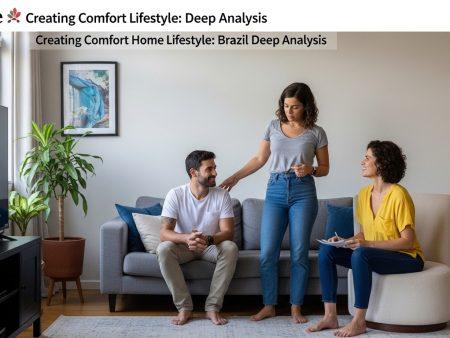
female Lifestyle Brazil: An in-depth look at how Brazilian women shape wellness, style, and daily life through pragmatic choices, media narratives, and.
For female Lifestyle Brazil audiences, the current decade presents a moment to rethink daily routines, consumer choices, and personal well-being. This report examines how Brazilian women are balancing work, family, and self-care amid rapid urban life, digital abundance, and shifting cultural norms.
Demographics and Demand
In Brazil, a generation of women increasingly combines professional careers with households responsibilities, creating a demand for pragmatic, time-efficient wellness solutions. As cities grow and digital shopping expands, products and services that promise efficiency, reliability, and tangible results gain traction. This convergence of work, family, and personal well-being shapes consumer patterns: fitness apps, healthy meal kits, and wardrobe staples that transition from office to home with minimal friction become common. The shift also reflects broader social changes: more women leading households, more independent seekers of adventures, and a public conversation about care work that used to be invisible. Against this backdrop, brands that listen to needs around schedule, budget, and inclusivity tend to win loyalty.
Health, Wellness, and Autonomy
Wellness in this context is less about luxury and more about autonomy—having time and tools to care for body and mind without sacrificing professional or family commitments. Brazilian women are embracing sleep routines, stress reduction strategies, and accessible fitness options that fit a busy timetable. Telehealth services, community exercise classes, and low-cost mindfulness programs expand reach beyond the metropolitan centers. The causal link is clear: when health supports are affordable and nearby, women invest more in preventative care, which in turn reduces long-term healthcare costs for households and communities. This shift also reshapes product development—from compact workout gear to inclusive beauty lines that address diverse skin tones and hair textures—reflecting a deeper understanding of diverse lived experiences.
Media Influence and Consumer Power
Media narratives influence what is considered desirable and practical for daily life. In Brazil, content creators—especially women—translate global wellness trends into culturally resonant formats, blending samba rhythm with mindfulness, or blending football fandom with athletic readiness. This dynamic creates a feedback loop: inclusive, evidence-based messaging broadens audience reach, while authentic representation fosters trust. Brands that demonstrate transparency about ingredients, sourcing, and impact respond to a more informed consumer base that demands accountability. The result is a market where purchase decisions align with personal values, rather than mere aesthetics.
Policy and Workplace Context
Workplaces are gradually adapting to the realities of female leadership and caregiving. Flexible schedules, parental leave, and supportive HR policies can reduce burnout and improve retention, particularly for younger mothers navigating career advancement and family planning. Public policy debates around childcare subsidies and transport infrastructure also matter, because the daily tempo of Brazilian life depends on reliable access to affordable, safe options. When policy signals supportive conditions, private sector actors respond with better benefits, more inclusive product offerings, and sustained consumer engagement from a demographic that shapes a large portion of household budgets.
Actionable Takeaways
- Invest in accessible wellness programs that fit busy schedules and deliver measurable outcomes.
- Support women-led businesses and products that prioritize inclusivity across body types, cultures, and incomes.
- Use media voices that emphasize practical well-being over aspirational vanity, with credible, evidence-based messaging.
- Promote workplace policies that enable flexible hours, parental leave, and mental health resources.
- Rely on reputable data and diverse sources when planning lifestyle content and products for Brazilian audiences.
Source Context