ito Lifestyle Brazil: A deep, practical analysis of how Brazilian households balance wellness, digital life, and everyday consumption in a changing market.
estilo-vida.comBrazil lifestyle news and trend analysis.
Ito Lifestyle Brazil: Deep Analysis of Wellness and Tech Trends
Updated: April 16, 2026
ito Lifestyle Brazil is a lens through which readers can understand how Brazilian households balance well-being, work, and everyday tech use in a rapidly changing consumer landscape. In this analysis, we trace how wellness priorities, financial constraints, and digital life intersect to shape daily routines across Brazil.
The Brazilian Wellness-Consumption Equation
Across cities and towns, Brazilians are recalibrating what counts as value in daily life: not only the price tag of a gym membership, but the cost of data, the reliability of health apps, and the time left after work for restorative routines. This section maps how wellness trends—mindfulness apps, fitness wearables, nutritious meal kits—compete for attention with budget pressures and the pull of social media. When family budgets tighten, consumers shift toward multi-use devices and locally offered services that promise measurable benefits within a familiar price range. The causal link between economic reality and lifestyle choice matters because it signals what the next wave of brands and policymakers must address to stay relevant in Brazil’s diverse market.
Tech Policy and Daily Life: From Chargers to Data Plans
Policy decisions about hardware packaging, power adapters, and digital access ripple through households. The broader debate about whether a standard charger should be bundled, or whether devices should assume universal charging capabilities, echoes in how much friction a typical Brazilian consumer endures at the point of purchase. More prosaically, data plans and affordable connectivity shape how people use health trackers, grocery apps, or remote-work calendars. A charger might seem trivial, but it stands in for a larger question of access: will basic digital tools remain affordable as devices become more intertwined with daily health and productivity routines?
Influencers, Media, and Lifestyle Choices
Brazil’s vibrant digital culture means influencer content often guides everyday decisions—from workouts to meal planning. This dynamic complicates the market for wellness products because credibility, sponsorship, and personal brands intersect with consumer trust. The industry narrative around resilience, beauty, and success can drive demand for premium features while leaving some audiences overwhelmed by options. An analytical approach asks: which messages lead to durable, healthier living, and which are shortcuts that strain budgets or blur lines between information and promotion?
Rethinking Time and Space in Brazilian Homes
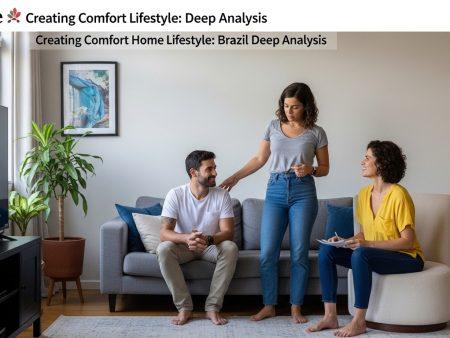
With hybrid work becoming more common, homes double as offices, gyms, and classrooms. Brazilian families increasingly design multi-use spaces that support wellness activities without sacrificing practicality. This shift also reframes leisure, since mental and physical health routines compete with screen time and social pace. The scenario framing matters: if cities remain crowded and traffic patterns stable, many households will favor compact, adaptable solutions—devices and services that deliver value quickly without demanding significant time investment.
Actionable Takeaways
- Audit your monthly spend on wellness tech and streaming services; seek bundles that cover several needs at a lower total cost.
- Choose credible wellness apps and devices with clear privacy controls; prioritize open data practices and simple dashboards that empower informed decisions.
- Compare data plans and hardware warranties when purchasing devices that track health or enable remote work; seek long-term value over novelty.
- Adopt a multi-use approach to devices and platforms to reduce waste and save money, such as a single smartwatch that tracks health and productivity.
- Support sustainable electronics recycling and take-back programs to address e-waste and environmental impact.
- Build a personal wellness routine that blends offline activities with digital tools, preserving time for real-world connections.
Source Context
From an editorial perspective, separate confirmed facts from early speculation and revisit assumptions as new verified information appears.
Track official statements, compare independent outlets, and focus on what is confirmed versus what remains under investigation.
For practical decisions, evaluate near-term risk, likely scenarios, and timing before reacting to fast-moving headlines.
Use source quality checks: publication reputation, named attribution, publication time, and consistency across multiple reports.
Cross-check key numbers, proper names, and dates before drawing conclusions; early reporting can shift as agencies, teams, or companies release fuller context.
When claims rely on anonymous sourcing, treat them as provisional signals and wait for corroboration from official records or multiple independent outlets.